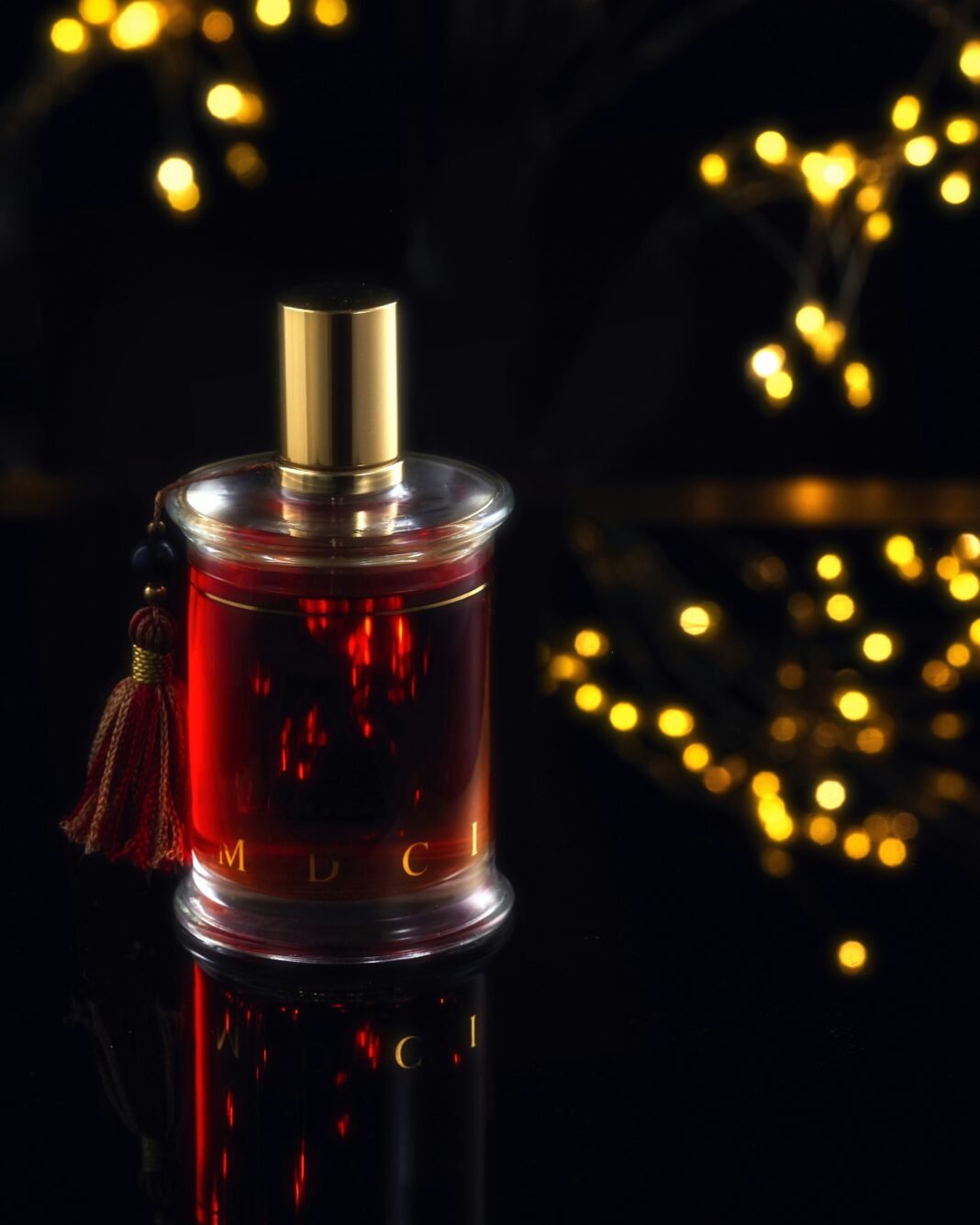
There is a scent so ancient, so deeply layered, and so intoxicatingly complex that it has captivated civilizations for thousands of years. It has perfumed the robes of Arabian royalty, drifted through the corridors of imperial palaces in Asia, and now — unmistakably — it saturates the fragrance counters of Paris, New York, London, and beyond.
That scent is oud.
Once known almost exclusively within the Middle East, South Asia, and East Asia, oud has completed one of the most remarkable journeys in fragrance history — from regional luxury ingredient to the single most talked-about, most sought-after, and most influential note in global perfumery today.
So how did this happen? What is oud, exactly? Why does it smell the way it does? And which oud perfumes are genuinely worth exploring, whether you’re a first-time oud curious or a seasoned connoisseur? This guide answers all of those questions and more.
What Exactly Is Oud?
Before we explore the global phenomenon, let’s understand the ingredient itself — because oud is unlike anything else in the perfumer’s palette.
Oud — also known as agarwood, oudh, or liquid gold — comes from the heartwood of Aquilaria trees, native to South and Southeast Asia. Under normal circumstances, these trees produce light, odorless wood. But when infected by a specific type of mold (Phialophora parasitica), the tree responds by producing a dense, dark, resinous heartwood as a defense mechanism. It is this infected resin — aged over decades, sometimes centuries — that produces oud.
The result is one of the most complex natural aromatic substances on earth. A single molecule of oud can contain hundreds of individual chemical compounds, which is why it smells different to almost everyone who encounters it and why it evolves so dramatically on the skin over time.
What Does Oud Smell Like?
Describing oud is famously difficult, but here are the most commonly noted qualities:
- Woody — deep, dense, and ancient
- Smoky — like embers of a sacred fire
- Animalic — a warm, skin-like, almost leathery quality
- Sweet — particularly in Southeast Asian ouds, a honeyed, fruity sweetness
- Earthy — damp soil, forest floor, aged wood
- Medicinal — some ouds carry a sharp, barnyard-like intensity that is deeply acquired but utterly addictive
The experience of smelling real oud for the first time is often described as transformative — and that’s not an exaggeration.
The Cultural Roots of Oud
To truly appreciate oud’s global rise, you need to understand its profound cultural significance in the regions where it originated.
Oud in the Middle East
In the Arabian Peninsula, oud is not simply a fragrance ingredient — it is a cultural institution. Burning oud chips (bakhoor) to perfume homes, clothing, hair, and guests is a tradition that dates back thousands of years. Offering oud to a guest is a gesture of deep hospitality and respect. At weddings, religious ceremonies, and important social occasions, the air is invariably thick with the sacred smoke of burning oud.
The finest grades of Middle Eastern oud — sourced from Cambodian, Indian, and Indonesian Aquilaria trees — can command prices exceeding $30,000 per kilogram, making it one of the most expensive natural raw materials on earth. This is why oud earned its other name: liquid gold.
Oud in South and East Asia
In India, oud (known locally as agar or oud) has been used in Ayurvedic medicine, religious rituals, and perfumery for millennia. Indian oud tends to be earthier, spicier, and more medicinal in character compared to its Southeast Asian counterparts.
In Japan, the burning of agarwood — known as jinkoh — has been a revered art form since the 6th century. The Japanese tradition of kōdō (the way of incense) elevates oud appreciation to a meditative, almost spiritual practice.
In China, oud has historically been used in traditional medicine and as a prestige offering in Buddhist and Taoist temples.
How Oud Conquered the Western Fragrance World
The global mainstreaming of oud is a story that begins in the early 2000s, when a handful of visionary Western perfumers began incorporating oud into their compositions, exposing international fragrance audiences to its extraordinary character for the first time.
The Tom Ford Effect
Tom Ford’s Oud Wood, launched in 2007, is widely credited as the fragrance that first introduced oud to mainstream Western audiences at scale. By making oud accessible, polished, and thoroughly modern — pairing it with rosewood, cardamom, sandalwood, and vetiver — Ford created a blueprint for Western oud perfumery that dozens of houses have followed ever since.
Oud Wood remains one of the best-selling niche perfumes in the world and continues to introduce new fragrance lovers to the magic of oud every single day.
The Niche Perfume Revolution
As niche perfumery exploded in popularity through the 2000s and 2010s, oud became its unofficial flagship ingredient. Houses like Maison Francis Kurkdjian, Amouage, By Kilian, Parfums de Marly, and Initio built entire fragrance empires — or significant parts of them — around oud and oud-adjacent compositions.
The appeal was clear: oud offered everything that niche perfume lovers craved — complexity, rarity, cultural depth, longevity, and a scent profile that was impossible to replicate with synthetic alternatives.
The Designer Fragrance Rush
Once niche houses demonstrated oud’s commercial power, every major designer fragrance house wanted a piece. Chanel launched Sycomore and later oud-adjacent compositions. Dior created Oud Ispahan — one of the most celebrated mainstream oud fragrances ever made. Yves Saint Laurent, Giorgio Armani, Guerlain, Hermès, and virtually every other major house followed with their own oud interpretations.
Today, no major fragrance house can afford not to have an oud offering in its collection. That is a remarkable testament to how completely this ancient Middle Eastern ingredient has transformed global perfumery.
The Best Oud Perfumes to Explore Right Now
Whether you’re completely new to oud or looking to deepen your collection, here are the finest oud fragrances across different categories and price points.
For Oud Beginners
Tom Ford Oud Wood The perfect entry point. Smooth, accessible, and beautifully balanced, Oud Wood introduces oud in its most approachable Western interpretation. Rosewood, cardamom, and smoky vetiver support the oud without overwhelming the uninitiated nose. An absolute masterclass in accessible luxury.
Maison Margiela Replica “Flower Market” (Oud Edition) A softer, more floral take on oud that eases first-timers in gently. Rose and white flowers frame the oud beautifully, creating something romantic and deeply wearable.
For Women
Dior Oud Ispahan Eau de Parfum A timeless, rose-forward oud that is simultaneously opulent and refined. The Bulgarian rose heart sits in perfect harmony with the deep oud and patchouli base, creating a fragrance of extraordinary femininity and depth. Among the best perfumes for women who want to explore oud in a thoroughly luxurious way.
By Kilian Black Phantom Dark, dramatic, and deeply gourmand with rum, coffee, and caramel wrapped around an oud core. Black Phantom is theatrical and unforgettable — the perfume equivalent of a grand entrance.
Amouage Honour Woman A complex, incense-forward floral oud from one of the most prestigious fragrance houses in the world. Honour Woman is a sophisticated masterpiece that rewards those who appreciate multi-layered, evolving fragrance compositions.
For Men
Parfums de Marly Herod A magnificent tobacco and oud composition with a warm, spiced apple and cinnamon opening. Herod is rich, masculine, and deeply seductive — consistently ranked among the best perfumes for men in the oud category.
Initio Oud for Greatness A bold, uncompromising, full-throttle oud experience — smoky, animalic, and powerfully present. This is oud for those who want the real thing without compromise. Exceptional longevity and sillage make it one of the most performance-focused oud fragrances available.
Creed Royal Oud A refined, aristocratic oud paired with pink pepper, galbanum, and cedarwood. Royal Oud lives up to its name — it’s elegant, restrained, and deeply sophisticated. The quintessential gentleman’s oud.
Niche and Artisan Oud Masterpieces
Maison Francis Kurkdjian Oud Satin Mood A velvety, rose-drenched oud that is simultaneously modern and timeless. The combination of violet, rose, and oud creates an almost edible richness that is deeply addictive. One of the most celebrated niche perfumes of the past decade.
Amouage Interlude Man Widely considered one of the greatest fragrances ever created, Interlude Man features a stunning incense, oud, and amber composition of extraordinary complexity. It is demanding, challenging, and utterly magnificent.
Nasomatto Black Afgano For the truly adventurous — Black Afgano is raw, smoky, and intensely resinous oud at its most unapologetic. It is one of the most discussed and debated fragrances in the niche community and absolutely not for the faint of heart.
Current Oud Perfume Trends
The oud story continues to evolve rapidly. Here are the most significant current perfume trends shaping how oud is being used today:
Soft and Transparent Oud
The latest wave of oud perfumery moves away from heaviness toward lighter, more transparent oud compositions. These “skin ouds” are intimate, close-wearing, and designed for those who want oud’s character without its traditional intensity. Houses like Hermès and Chanel have pioneered this approach.
Oud Meets Gourmand
The fusion of oud with sweet, edible notes — vanilla, caramel, praline, chocolate — has become one of the most popular perfume trends of recent years. The contrast between oud’s earthiness and gourmand sweetness creates a deeply compelling tension.
Sustainable and Ethical Oud
As Aquilaria trees face endangerment due to oud’s soaring demand, the fragrance industry is increasingly turning to sustainable, plantation-grown oud and high-quality synthetic oud molecules like Javanol and Iso E Super. Leading niche perfume houses are making sustainability a central part of their oud story — an important and necessary evolution.
Oud for Everyone
Perhaps most significantly, oud is becoming genuinely gender-neutral. Where oud fragrances were once predominantly positioned as masculine, today’s oud releases are equally embraced across all genders — a reflection of both changing perfume trends and oud’s inherently universal appeal.
How to Wear Oud: Practical Tips
Start with a smaller amount than you think you need. Oud is powerful. A single spray on a pulse point is often enough for a full day’s wear, especially with high-quality compositions.
Apply to warm pulse points — wrists, neck, inner elbows — where body heat will gently amplify the scent throughout the day.
Give it time to develop. Oud fragrances evolve dramatically over hours. What smells sharp or intense in the first 15 minutes will often transform into something deeply beautiful by the dry-down. Patience is rewarded with oud.
Layer oud oil under your EDP for extraordinary longevity. A small amount of raw oud oil applied to the skin before your fragrance creates a deeply personal, long-lasting base.
Embrace the season. While oud can be worn year-round, it is most glorious in autumn and winter, when the cool air slows its evaporation and allows the deep, resinous base notes to unfurl slowly and magnificently.
Final Thoughts
Oud’s journey — from the sacred forests of Southeast Asia and the royal courts of Arabia to the fragrance counters of the world’s most glamorous cities — is one of the most extraordinary stories in the history of luxury. It is a story of cultural heritage meeting global curiosity, of ancient tradition inspiring radical modernity, and of a single natural ingredient reshaping an entire industry.
Whether you encounter oud for the first time in a polished Western composition like Tom Ford Oud Wood, explore it in a classical Middle Eastern tradition, or dive deep into the world of niche perfumes with something as demanding as Initio Oud for Greatness, one thing is certain:
Once oud gets under your skin, it never truly leaves.
Frequently Asked Questions (FAQ)
Q1: What is oud and why is it so expensive? Oud (agarwood) is a resinous heartwood produced by Aquilaria trees when infected by a specific mold. Because the infection is rare, the trees take decades to produce oud, and wild Aquilaria populations are increasingly endangered, genuine oud is extraordinarily scarce. The finest grades can cost $30,000 or more per kilogram, making it one of the most expensive natural substances on earth.
Q2: What does oud smell like for beginners? Oud is complex and difficult to describe simply. Most people experience it as woody, smoky, and warm, with an animalic, leathery quality and sometimes a sweet or medicinal undertone. The best way to understand oud is to smell it — start with an accessible Western interpretation like Tom Ford Oud Wood before exploring more intense traditional oud compositions.
Q3: Is oud suitable for everyday wear? Absolutely, though fragrance concentration and composition matter greatly. Lighter, more transparent oud EDPs from houses like Hermès or Tom Ford are perfectly suited to everyday wear. More intense, resinous ouds like Initio Oud for Greatness or Nasomatto Black Afgano are better reserved for evenings or special occasions. Start with one spray and build from there.
Q4: What are the best oud perfumes for women? Among the best oud perfumes for women are Dior Oud Ispahan, By Kilian Black Phantom, Maison Francis Kurkdjian Oud Satin Mood, and Amouage Honour Woman. These offer oud in beautifully feminine, sophisticated contexts that range from romantic floral to dramatically dark and gourmand.
Q5: Are synthetic ouds as good as natural oud in perfumery? High-quality synthetic oud molecules have advanced dramatically and are now used by even the most prestigious fragrance houses. While purists maintain that nothing replicates the full complexity of genuine natural oud, synthetic oud allows for consistency, affordability, and sustainability — three significant advantages. Many of today’s most celebrated oud fragrances use a blend of natural and synthetic oud for the best of both worlds.
Q6: What are the current perfume trends in oud fragrances? The most significant current perfume trends in oud include the rise of soft, transparent skin ouds, the exciting fusion of oud with gourmand sweet notes, a strong industry push toward sustainable and ethically sourced oud, and the growing embrace of oud as a fully gender-neutral ingredient rather than a traditionally masculine one.
Q7: How should I store oud perfumes to preserve their quality? Store oud fragrances in a cool, dark place away from heat, humidity, and direct sunlight. Oud compositions are particularly susceptible to degradation from temperature fluctuations and UV exposure. Keep bottles tightly sealed and, if possible, store them in their original boxes. Properly stored, a high-quality oud fragrance can remain beautiful for 10 years or more.