Making your favorite fragrance last from morning to night doesn’t have to be a mystery. Whether you’ve invested in one of the best perfumes for women, splurged on a luxury niche perfume, or found your signature scent among the best perfumes for men, learning how to maximize its longevity will save you money and keep you smelling incredible all day long.
The fragrance industry is evolving rapidly, and perfume trends 2026 are focusing on sustainability, longevity, and personal expression. But even the most expensive perfumes can disappear within hours if not applied correctly. In this comprehensive guide, we’ll explore 11 proven techniques to help your perfume last longer, smell stronger, and make every spray count.
Understanding Perfume Composition and Longevity
Before diving into application techniques, it’s essential to understand what makes a perfume last. Fragrances are composed of top notes, middle notes, and base notes, each with different evaporation rates.
Top notes are the initial scents you smell immediately after application—they’re light, fresh, and evaporate within 15-30 minutes. Think citrus, herbs, and light florals.
Middle notes (or heart notes) emerge after the top notes fade and form the core of the fragrance. These typically last 2-4 hours and include ingredients like jasmine, rose, or spices.
Base notes are the foundation of your perfume and include heavy, long-lasting ingredients like amber, musk, vanilla, and woody notes. These can linger for 6-8 hours or even longer.
Understanding this structure helps you choose fragrances that naturally last longer and apply them more strategically.
1. Apply Perfume to Pulse Points (But Do It Right)
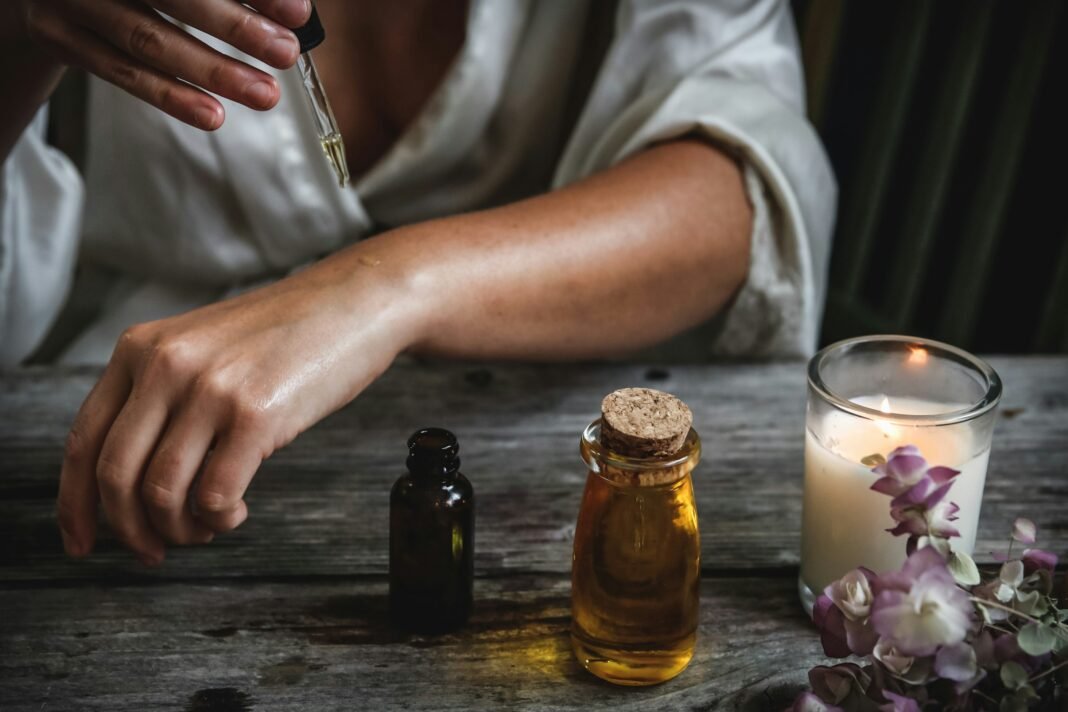
The most common advice you’ll hear is to apply perfume to your pulse points—but there’s more to this technique than simply spraying your wrists.
Pulse points are areas where blood vessels are closest to the skin, generating warmth that helps diffuse and amplify your fragrance. The key pulse points include:
- Inner wrists
- Behind the ears
- Base of the throat
- Inside of elbows
- Behind the knees
- Inner ankles
Here’s the crucial part: Don’t rub your wrists together after applying perfume. This common mistake breaks down the fragrance molecules and causes the scent to fade faster. Instead, spray and let it dry naturally.
For optimal longevity, focus on warmer pulse points like the neck and chest area, where body heat is most consistent throughout the day.
2. Moisturize Before Application
One of the most effective secrets to making perfume last longer is proper skin preparation. Dry skin absorbs fragrance quickly, causing it to fade faster.
Apply an unscented lotion or body oil to your skin before spraying perfume. This creates a hydrated base that holds onto fragrance molecules longer. For an even better result, use a matching body lotion from the same perfume line if available.
Some perfume enthusiasts swear by applying a thin layer of petroleum jelly to pulse points before spraying. This occlusive layer prevents the fragrance from being absorbed too quickly into the skin.
3. Layer Your Fragrance Products
Fragrance layering is a technique embraced by perfume connoisseurs and is becoming increasingly popular in perfume trends 2026. Using multiple products from the same fragrance line creates a stronger, longer-lasting scent experience.
Start with a scented body wash in the shower, follow with a matching body lotion, and finish with the eau de parfum. This multi-layered approach builds fragrance intensity gradually and extends wear time significantly.
If your favorite perfume doesn’t have accompanying products, consider layering it with complementary scents. For example, a vanilla body lotion works beautifully under warm, gourmand fragrances.
4. Choose the Right Concentration
Not all perfumes are created equal. Understanding fragrance concentrations is crucial for longevity:
Parfum (or Extrait de Parfum): 20-30% fragrance oil concentration, lasts 8+ hours Eau de Parfum (EDP): 15-20% concentration, lasts 6-8 hours Eau de Toilette (EDT): 5-15% concentration, lasts 4-6 hours Eau de Cologne: 2-4% concentration, lasts 2-3 hours
If longevity is your priority, invest in an Eau de Parfum or Parfum concentration. While they’re more expensive upfront, you’ll use less product and reapply less frequently.
Many niche perfumes come in higher concentrations and use premium ingredients, which naturally last longer than mass-market fragrances. Fragrantica offers extensive reviews and concentration information for thousands of perfumes.
5. Store Your Perfume Properly
How you store your fragrance directly impacts its longevity and potency. Heat, light, and humidity are perfume’s worst enemies.
Never store perfume in the bathroom, despite how convenient it seems. The fluctuating temperature and humidity from showers degrades the fragrance oils over time.
Instead, keep your perfumes in a cool, dark, dry place like a bedroom drawer or closet. Some collectors even store precious bottles in their original boxes to protect them from light exposure.
Avoid keeping perfumes on windowsills or dressers exposed to direct sunlight, which can alter the chemical composition and cause discoloration.
6. Spray on Hair and Clothing (Carefully)
Your hair is an excellent fragrance carrier because it holds scent longer than skin. Hair fibers trap perfume molecules, releasing them gradually as you move.
For best results, spray perfume on your hairbrush and then brush through your hair, or use a dedicated hair mist formulation that won’t dry out your strands. Avoid spraying alcohol-based perfumes directly onto hair, as this can cause dryness and damage.
Clothing also holds fragrance exceptionally well, but proceed with caution. Spray from a distance on fabrics that won’t stain (avoid silk and light colors). Natural fibers like cotton and wool hold scent better than synthetic materials.
7. Apply After Showering
Timing matters when applying perfume. The best time is immediately after showering when your pores are open and your skin is still slightly damp.
Your warm, clean skin will absorb the fragrance better and lock in the scent. This is also when applying moisturizer is most effective, creating the perfect foundation for your perfume.
Make this part of your daily routine: shower, moisturize, then apply fragrance within 5-10 minutes.
8. Don’t Overspray—Quality Over Quantity
It might seem counterintuitive, but overspraying doesn’t make perfume last longer—it just creates an overwhelming initial scent that fades quickly.
The ideal number of sprays depends on the fragrance concentration:
- Parfum: 2-3 sprays
- Eau de Parfum: 3-4 sprays
- Eau de Toilette: 4-5 sprays
Focus on strategic placement rather than quantity. You want others to discover your scent when they’re close, not announce your arrival from across the room.
9. Consider Fragrance Families for Longevity
Different fragrance families have varying longevity profiles. If lasting power is crucial, choose perfumes from these longer-lasting categories:
Oriental/Amber fragrances: Rich, warm scents with amber, vanilla, and resins last exceptionally well Woody fragrances: Sandalwood, cedar, and oud-based perfumes have excellent staying power Chypre fragrances: The oakmoss and patchouli base notes in these sophisticated scents ensure longevity
Conversely, citrus and fresh aquatic fragrances tend to be more ephemeral. This doesn’t make them inferior—they’re perfect for summer and casual occasions—but they’ll require more frequent reapplication.
Basenotes provides detailed fragrance family classifications and longevity ratings from real users.
10. Create a Perfume Wardrobe
Professional perfumers and fragrance enthusiasts recommend building a perfume wardrobe rather than relying on a single signature scent.
Choose different fragrances for different seasons and occasions. Heavy, warm scents with oriental and woody notes work beautifully in fall and winter and naturally last longer in cooler weather. Lighter, fresh fragrances are perfect for spring and summer, though they may require midday reapplication.
This approach aligns perfectly with perfume trends 2026, where personal fragrance wardrobes are replacing the single-signature-scent mentality. Consider reading our upcoming article on “Building Your Perfect Perfume Wardrobe for Every Season” (internal link suggestion) for more detailed guidance.
11. Use Fragrance Primers
A relatively new innovation in the perfume world, fragrance primers are specifically formulated to extend perfume longevity. These products create an optimal base for fragrance application.
These primers are typically silicone-based and create a barrier that slows down fragrance absorption. While not essential, they can be game-changers for people with very dry skin or those who struggle with fragrance longevity.
Choosing Long-Lasting Perfumes
When shopping for new fragrances, look for perfumes known for their impressive longevity. According to Parfumo, community ratings often highlight which fragrances are “longevity champions.”
For best perfumes for women with excellent lasting power, consider:
- Tom Ford Black Orchid
- Lancôme La Vie Est Belle Intense
- Yves Saint Laurent Black Opium
- Maison Francis Kurkdjian Baccarat Rouge 540
For best perfumes for men known for longevity:
- Dior Sauvage Elixir
- Creed Aventus
- Tom Ford Oud Wood
- Paco Rabanne 1 Million
Niche perfumes from houses like Frederic Malle, Amouage, and Byredo often use higher concentrations and quality ingredients, resulting in superior longevity.
The Science Behind Skin Chemistry
Everyone’s skin chemistry is unique, which is why the same perfume smells different and lasts differently on various people. Factors affecting how perfume interacts with your skin include:
pH levels: More acidic skin tends to hold fragrance longer Natural oils: Oily skin retains scent better than dry skin Diet: What you eat can affect your natural body chemistry Medications: Certain medications alter skin chemistry and fragrance performance
Understanding your skin type helps you adjust your application technique for optimal results.
Making the Most of Your Investment
Perfume is an investment, especially when exploring luxury and niche perfumes. By implementing these techniques, you’ll use less product, reduce the frequency of reapplication, and make each bottle last significantly longer.
Consider purchasing travel-size bottles or atomizers for touch-ups throughout the day. Decanting a small amount for your purse or office desk ensures you can refresh your scent without carrying your full-size bottle.
Conclusion
Making your perfume last longer isn’t about one magic trick—it’s about combining multiple techniques to create optimal conditions for fragrance longevity. From proper application and storage to choosing the right concentration and understanding fragrance families, these strategies will transform your perfume experience.
As we move into 2026, the focus on sustainability and conscious consumption makes learning to maximize your perfumes more relevant than ever. By implementing these expert tips, you’ll enjoy your favorite fragrances longer, save money, and confidently wear scents that last from morning meetings to evening events.
Remember, fragrance is personal and intimate. Experiment with these techniques to discover what works best for your unique skin chemistry and lifestyle. Your signature scent should be an extension of your personality—make it last as long as your impression does.
FAQ Section
Q1: How long should perfume typically last on skin? The longevity depends on the concentration. Eau de Parfum typically lasts 6-8 hours, Eau de Toilette lasts 4-6 hours, and pure Parfum can last 8+ hours. Factors like skin type, climate, and fragrance composition also affect longevity. If your perfume fades within 2-3 hours, try moisturizing before application and choosing higher concentration formulas.
Q2: Why does my perfume fade so quickly? Quick fading usually occurs due to dry skin, which absorbs fragrance rapidly. Other reasons include storing perfume in humid bathrooms, applying to the wrong areas, or choosing light fragrance concentrations like Eau de Cologne. Rubbing wrists together after application also breaks down fragrance molecules, causing faster evaporation.
Q3: Is it better to spray perfume on skin or clothes? Both have advantages. Skin creates a unique scent through body chemistry and warmth, while clothing holds fragrance longer without alteration. For best results, apply to both—spray pulse points on skin for the true scent experience and spray clothing from a distance for extended longevity. Avoid spraying delicate or light-colored fabrics.
Q4: What are the best perfume trends for 2026? Perfume trends 2026 emphasize sustainability, personalization, and gender-neutral fragrances. Clean, eco-conscious ingredients are increasingly popular, as are customizable scents and fragrance layering. Nostalgic gourmand notes, aquatic florals, and woody amber combinations are trending. Niche and artisanal perfumes continue gaining popularity over mass-market options.
Q5: Should I store perfume in the refrigerator? While refrigeration isn’t necessary for most perfumes, it can extend the life of fragrances in extremely hot climates. If you choose to refrigerate perfume, use a dedicated section away from food and allow the bottle to reach room temperature before applying. A cool, dark closet is usually sufficient for proper storage.
Q6: How can I tell if my perfume has expired? Expired perfume often changes color (usually darkening), develops a sour or vinegar-like smell, or loses its original scent profile. Most perfumes last 3-5 years when stored properly, though some can last longer. If you notice any of these changes, it’s time to replace your fragrance.
Q7: Are expensive perfumes worth it for longevity? Generally, yes. Higher-end perfumes typically use better quality ingredients, higher concentrations of fragrance oils, and more stable formulas, resulting in better longevity and scent quality. However, price isn’t the only factor—concentration (EDP vs EDT) and fragrance family matter significantly. Some affordable perfumes with oriental or woody bases outlast expensive fresh fragrances.