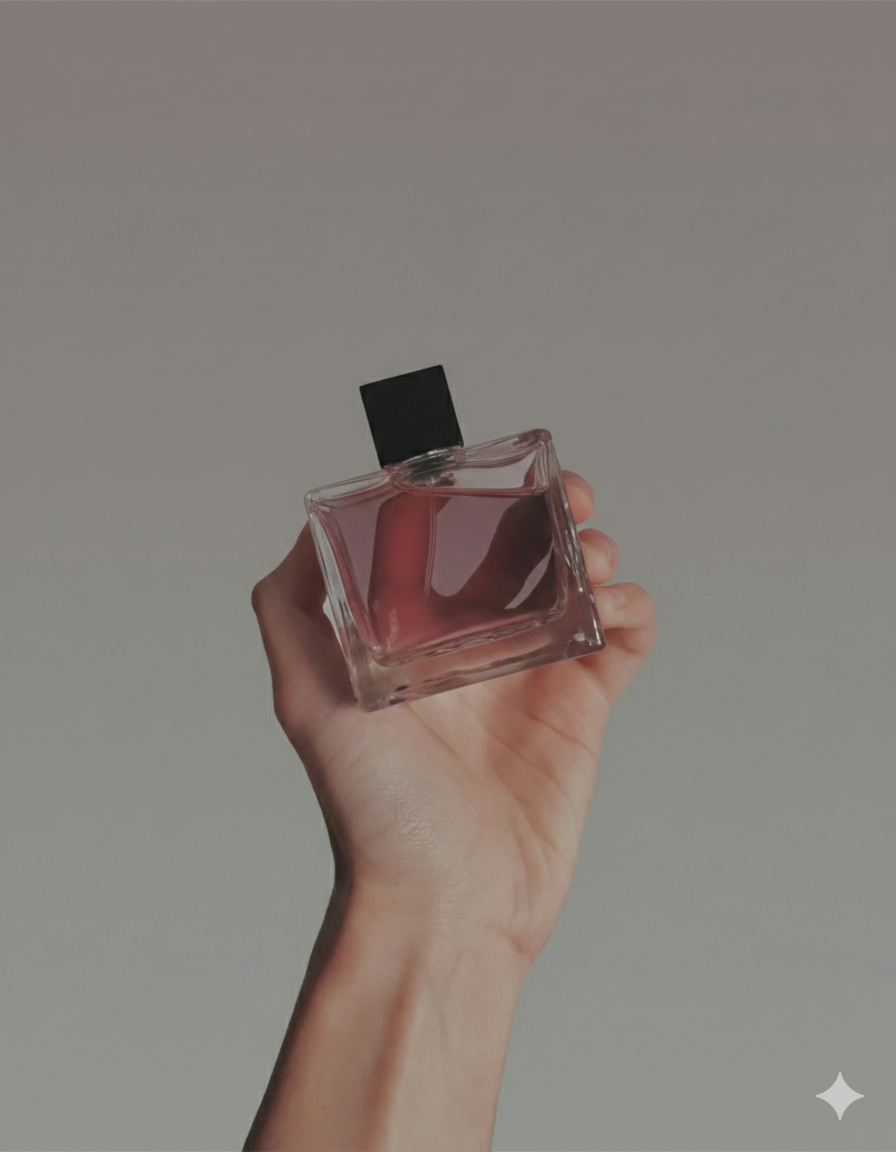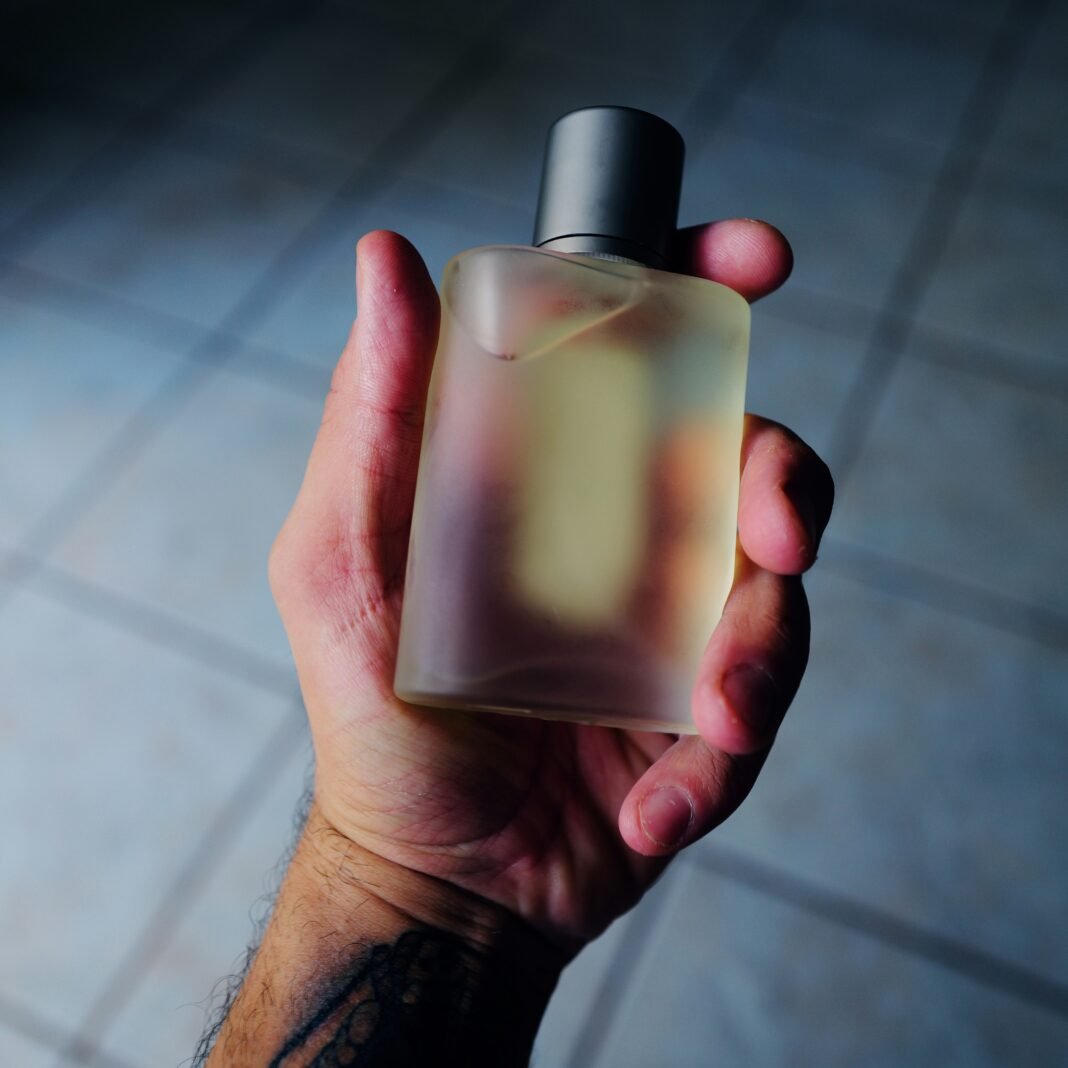
Introduction: Why Perfume Layering Is the Fragrance Trend You Need to Try
If you’ve ever walked past someone and thought, “What is that incredible scent?” — chances are they weren’t just wearing one perfume. They were layering. Perfume layering is the art of combining two or more fragrances to create a unique, personalized scent that is entirely your own. It’s a technique that has been practiced for centuries in Middle Eastern fragrance culture, and it’s now taking the global beauty world by storm.
The best part? You don’t need to be a professional perfumer to try it. Whether you’re a casual fragrance fan or a dedicated collector of niche perfumes, layering is a creative and accessible way to elevate your scent game. In this guide, we’ll walk you through everything you need to know about perfume layering — from the basics to pro-level tips — so you can start experimenting with confidence.
What Is Perfume Layering?
Perfume layering simply means applying more than one fragrance at the same time, or in sequence, so that they blend together on your skin to create a new, combined scent. Think of it like mixing paint colors — each individual fragrance contributes something to the final result, and the combination produces something entirely new.
This technique allows you to:
Customize your fragrance to suit your mood, the season, or a specific occasion. Express your personality in a way that off-the-shelf perfumes simply cannot. Make your scent last longer by building layers of fragrance on your skin. Get more value out of your existing perfume collection.
Layering is popular among fans of niche perfumes and mainstream fragrance lovers alike, and it works with best perfumes for men, best perfumes for women, and unisex scents.
Understanding Fragrance Notes: The Foundation of Layering
Before you start layering, it helps to understand how fragrances are structured. Every perfume is made up of three layers of scent, known as fragrance notes:
Top Notes are the first scents you smell when you spray a perfume. They’re fresh and light but fade within 15–30 minutes. Common top notes include citrus, bergamot, and light herbs.
Middle Notes (Heart Notes) emerge after the top notes fade. These form the core of the fragrance and usually include florals, spices, or fruits. They last for several hours.
Base Notes are the deepest and longest-lasting scents. They include ingredients like musk, sandalwood, vanilla, amber, and patchouli. Base notes can linger on skin and clothing for hours or even days.
When you layer two perfumes, their individual top, middle, and base notes all interact. Understanding this interaction is the key to successful perfume layering — and it’s what separates an intentional combination from an accidental clash.
The Golden Rules of Perfume Layering for Beginners
1. Start Simple — Use Two Fragrances Maximum
When you’re just starting out, resist the urge to blend three or four perfumes at once. Start with just two fragrances and learn how they interact on your skin. Once you feel confident, you can experiment with more complex combinations.
2. Layer from Heaviest to Lightest
Apply your heaviest, most intense fragrance first — usually the one with stronger base notes like oud, musk, or amber. Then apply your lighter fragrance on top. This creates a proper foundation and allows each scent to breathe without one overpowering the other.
Pro tip: Apply your base fragrance directly on your skin at pulse points, and spray the lighter fragrance on top or on your clothing.
3. Apply to Pulse Points
Pulse points — your wrists, neck, behind the ears, inside the elbows, and behind the knees — generate heat that helps fragrance develop and project. Layering on these points ensures the combined scent performs at its best throughout the day.
4. Don’t Rub — Let It Dry Naturally
After applying your first fragrance, resist the urge to rub your wrists together. Rubbing breaks down the fragrance molecules and can alter how your layers develop. Let each layer dry naturally before adding the next one.
5. Test Before You Commit
Before layering fragrances in public, do a test run at home. Apply both perfumes and wear them for a few hours to see how they develop on your skin. Fragrance chemistry is personal — the same combination can smell entirely different on two different people.
Best Fragrance Combinations to Try
One of the most common questions beginners ask is: “Which perfumes actually work well together?” Here are some tried-and-tested layering combinations to inspire you.
Citrus + Musk
A light citrus scent paired with a warm musky base is one of the most universally flattering combinations. The citrus adds freshness and brightness, while the musk adds warmth and depth. This is a great starting point for beginners exploring perfume trends in 2024 and beyond.
Floral + Woody
Layering a floral fragrance — think rose, jasmine, or peony — over a woody base like cedarwood or sandalwood creates a sophisticated, feminine-leaning scent. Many of the best perfumes for women are built on exactly this kind of combination.
Oud + Vanilla
Oud is a rich, smoky resin from the agarwood tree, widely used in Middle Eastern perfumery. When paired with a soft, sweet vanilla scent, it becomes less intimidating and beautifully balanced. This combination is popular in many niche perfumes and works brilliantly in cooler weather.
Fresh Aquatic + Amber
For a summer-ready scent with longevity, try layering a fresh aquatic or oceanic fragrance with a warm amber base. The aquatic note keeps things light and airy, while the amber gives it a sensual, lasting quality. This works well for the best perfumes for men in warm weather.
Spicy + Floral
This unexpected pairing creates a modern, complex scent that is ideal for evenings out. Think a pepper or cardamom top note over a rose or iris heart. It’s bold, memorable, and guaranteed to turn heads.
How to Layer Perfumes for Different Occasions
Perfume layering isn’t just about how something smells — it’s also about choosing the right combination for the right moment.
Daytime and Office Wear
For daytime wear, keep your layers light and fresh. Combine a citrus or green fragrance with a soft floral or clean musk. This is subtle enough for a professional environment while still being distinctive and personal.
Date Night
On evenings out, you want something warm, sensual, and long-lasting. Layer a floral heart note fragrance with a rich base of oud, amber, or patchouli. The warmth of your skin will help these heavier notes bloom beautifully throughout the evening.
Seasonal Layering Tips
Spring and Summer: Focus on light, fresh, and fruity combinations. Citrus, aquatic, and green notes work beautifully in warm weather. Keep base notes minimal or opt for clean musks.
Autumn and Winter: Embrace warmth and depth. Woody, spicy, and resinous base notes like sandalwood, oud, vanilla, and amber create cozy, comforting combinations that suit cooler temperatures perfectly.
Using Body Products to Enhance Your Layers
Perfume layering doesn’t have to be limited to spraying multiple fragrances. You can also use scented body products to create a multi-dimensional base.
Start with a scented body wash in a complementary fragrance family. Follow up with a perfumed body lotion or oil — moisturized skin holds fragrance much longer than dry skin. Then apply your main perfume on top.
Many fragrance houses offer fragrance wardrobes — matching shower gels, body lotions, and perfumes in the same scent — specifically to encourage this kind of layering. If you’re new to the technique, starting with products from the same scent family is a foolproof way to begin.
Common Perfume Layering Mistakes to Avoid
Even with the best intentions, beginners can run into trouble. Here are the most common mistakes and how to sidestep them.
Layering too many fragrances at once leads to an overwhelming, muddy scent that is impossible to identify. Always start with two.
Choosing fragrances that are too similar can result in a flat, one-dimensional combination that doesn’t offer any interesting contrast. Aim for complements, not copies.
Applying fragrances at the same time without letting them settle means you never truly experience how the combination evolves. Apply your first fragrance, wait a few minutes, then add the second.
Ignoring skin chemistry is a big one. Fragrance interacts differently with everyone’s skin, so a combination that works on your friend may not work for you. Always test on your own skin before committing.
Building Your Layering Collection
You don’t need an enormous fragrance collection to start layering effectively. A few versatile, well-chosen fragrances in complementary families can give you dozens of possible combinations.
Consider building a collection that includes one fresh citrus scent, one floral heart, one woody or earthy base, one musk or clean base, and one oriental or spicy wild card. With just these five fragrances, you have enormous creative freedom to mix and match depending on your mood, the season, or the occasion.
Exploring niche perfumes is a great way to find unique, high-quality ingredients that layer beautifully. Niche houses often use single-note or minimalist formulas that are specifically designed to be combined with other fragrances.
FAQ Section
Q1: Can I layer any two perfumes together? Technically yes, but not all combinations will smell good. For the best results, stick to fragrances within the same scent family or choose ones with complementary notes — for example, a floral with a woody base. Always do a skin test first before committing to a combination.
Q2: Does perfume layering make the scent last longer? Yes! Layering multiple fragrances, especially when combined with scented body lotions, significantly improves longevity. The different molecular weights of each fragrance mean you’re constantly releasing new layers of scent as the day progresses.
Q3: Should I layer perfumes from the same brand? Not necessarily. While many brands offer matching scent wardrobes designed for layering, some of the most creative and interesting combinations come from mixing fragrances from completely different houses. Experimentation is part of the fun.
Q4: What is the best way to learn what notes are in my perfume? Check the fragrance description on the brand’s website or use resources like Fragrantica, a comprehensive fragrance database that lists the notes for thousands of perfumes. Knowing your notes is the first step to successful layering.
Q5: Can men and women layer each other’s perfumes? Absolutely. Many of the most compelling layering combinations come from mixing traditionally masculine and feminine fragrances. Perfume trends are increasingly moving toward gender-neutral and unisex scents, making cross-category layering very much on-trend.
Q6: How many sprays should I use when layering? Less is more. Start with one or two sprays of your base fragrance and one spray of your secondary scent. You can always add more, but an overpowering fragrance is difficult to dial back.
Q7: Are niche perfumes better for layering than designer perfumes? Niche perfumes are often formulated with higher concentrations of natural ingredients, which can make them more complex and interesting to layer. However, many affordable designer perfumes layer beautifully too. It’s less about price and more about understanding the notes and how they interact.