Your perfume collection represents a significant investment—not just financially, but emotionally. Each bottle holds memories, confidence, and personal expression. Yet many fragrance enthusiasts unknowingly damage their precious scents through improper perfume storage, causing premature degradation, altered scent profiles, and wasted mony.
As perfume trends lean toward quality over quantity and consumers invest in niche perfumes and luxury fragrances, understanding proper storage has become essential. Whether you own best perfumes for women with delicate floral compositions or best perfumes for men featuring complex woody accords, how you store these fragrances directly impacts their longevity and quality.
This comprehensive guide reveals everything you need to know about perfume storage do’s and don’ts, helping you preserve your collection’s integrity, extend bottle life, and ensure every spray smells as beautiful as the day you bought it.
Why Proper Perfume Storage Matters
The Science of Fragrance Degradation
Perfume is a delicate chemical composition that reacts to environmental factors. The fragrance oils, alcohol, and aromatic compounds in your perfumes are vulnerable to:
Heat: Breaks down molecular structures, altering scent profiles and causing “cooked” smells
Light (UV rays): Oxidizes fragrance oils, causing discoloration and scent deterioration
Oxygen: Creates oxidation that turns perfumes sour, sharp, or musty
Humidity: Dilutes fragrances and promotes bacterial growth in natural ingredients
Temperature fluctuations: Cause expansion and contraction, degrading seals and accelerating evaporation
Understanding these fragrance enemies helps you create optimal storage conditions that preserve your investment.
Signs Your Perfume Has Gone Bad
How to identify degraded fragrances:
- Color changes: Darkening or clouding (especially in clear or light-colored perfumes)
- Scent alterations: Vinegar-like sharpness, sour notes, or musty undertones
- Consistency changes: Separation, cloudiness, or sediment formation
- Weaker projection: Significant decrease in longevity or sillage
- Skin reactions: Irritation or sensitivity where none existed before
If you notice these signs, your perfume has likely degraded beyond use and should be discarded. Proper storage prevents this costly waste.
The Cost of Poor Storage
Financial impact: Premium fragrances cost $100-500+. Poor storage can ruin a $300 bottle in months rather than years.
Olfactory disappointment: Degraded scents smell nothing like their original beauty, ruining the experience you paid for.
Collection value: Vintage or discontinued perfumes lose collectible value if improperly stored.
Health concerns: Severely degraded perfumes can cause skin irritation or allergic reactions.
Proper storage protects your investment and ensures every bottle delivers the olfactory experience it was designed to provide.
The Essential Do’s of Perfume Storage
DO Keep Perfumes in Cool, Stable Temperatures
Ideal storage temperature: 60-70°F (15-21°C) with minimal fluctuation
Why temperature matters: Heat accelerates chemical breakdown of fragrance molecules, causing scents to turn, lose complexity, and develop off-notes.
Best practices:
- Store in consistently cool rooms (bedroom closets, hallway cabinets)
- Avoid areas near heating vents, radiators, or windows with direct sunlight
- Consider climate-controlled spaces for valuable collections
- Never store in cars, garages, or attics where temperatures fluctuate wildly
Pro tip: If you live in hot climates, bedroom drawers or closets in air-conditioned rooms provide excellent stable temperatures.
DO Store Perfumes in Dark Locations
Light is perfume’s worst enemy, particularly UV rays that penetrate glass and oxidize fragrance oils.
Optimal light protection:
- Keep perfumes in original boxes for maximum UV protection
- Store in dark cabinets, drawers, or closets away from windows
- Avoid displaying on sunny windowsills, bright bathroom counters, or under spotlights
- Use opaque storage containers for extra protection
Why original boxes matter: Manufacturers design packaging to protect against light exposure. The box acts as the first line of defense against UV degradation.
Exception: Dark amber or opaque bottles offer some inherent protection, but darkness is still ideal.
DO Keep Bottles Tightly Closed
Oxygen exposure accelerates degradation through oxidation, causing fragrances to lose freshness and develop harsh, chemical notes.
Proper sealing practices:
- Always replace caps immediately after use
- Ensure atomizer mechanisms are fully closed and locked
- Avoid leaving bottles open or uncapped
- Check that spray mechanisms seal properly when not in use
- For vintage scents with loose stoppers, consider plastic wrap under the cap
Evaporation concern: Improperly sealed bottles allow alcohol to evaporate, concentrating fragrance oils unnaturally and altering the intended scent balance.
DO Store Perfumes Upright
Vertical storage prevents seal degradation and maintains perfume integrity.
Why upright matters:
- Prevents prolonged contact between fragrance and plastic/rubber seals
- Reduces risk of leakage from compromised closures
- Maintains even distribution of ingredients
- Protects atomizer mechanisms from clogging
Storage solutions: Use perfume trays, drawer dividers, or dedicated fragrance organizers that keep bottles vertical and stable.
DO Maintain Original Packaging
Original boxes provide multiple protective benefits:
Light protection: Cardboard or heavy paper blocks UV rays completely
Temperature buffering: Extra layer provides minor insulation against temperature fluctuations
Physical protection: Prevents breakage and keeps bottles safe from accidental knocks
Organization: Makes identifying fragrances easier in dark storage spaces
Resale value: Collectors and resellers prize perfumes with original packaging
Storage tip: Label box tops or sides for easy identification without removing bottles unnecessarily.
DO Consider Dedicated Perfume Refrigeration
For valuable, rare, or natural perfumes, dedicated fragrance refrigeration offers optimal preservation.
Perfume fridge benefits:
- Consistent cool temperature (ideal for longevity)
- Dark environment when door is closed
- Protection from humidity and heat
- Extends shelf life significantly (5-10+ years)
Important considerations:
- Use a dedicated mini-fridge, not your food refrigerator (avoid food odor contamination)
- Set temperature to 55-65°F (not too cold)
- Allow bottles to reach room temperature before use (prevents condensation)
- Best for natural perfumes, vintage scents, or very expensive bottles
Not necessary for: Daily-wear fragrances stored properly in cool, dark locations already last 3-5 years without refrigeration.
DO Organize by Fragrance Family
Categorizing your collection helps you rotate scents and prevents bottles from sitting unused for years.
Organization strategies:
- Group by fragrance family (florals, orientals, woody, fresh, gourmand)
- Separate by season (summer fresh, winter warm)
- Organize by occasion (daily wear, evening, special occasions)
- Distinguish niche perfumes from designer fragrances
Rotation benefit: Regular use prevents bottles from aging unused. Even properly stored perfumes benefit from being worn rather than hoarded indefinitely.
DO Track Purchase Dates
Knowing when you bought each perfume helps you use older bottles first and identify when scents might be degrading.
Tracking methods:
- Write purchase date on bottom of bottle with permanent marker
- Keep a fragrance journal or spreadsheet
- Use fragrance apps like Fragrantica to log collection with dates
- Save receipts in a dedicated folder
Shelf life awareness: Most perfumes last 3-5 years when properly stored; natural perfumes 1-3 years; synthetic-heavy fragrances can last 10+ years.
The Critical Don’ts of Perfume Storage
DON’T Store Perfumes in Bathrooms
Bathrooms are perfume death zones despite being convenient and common storage locations.
Why bathrooms are terrible:
- Extreme humidity from showers dilutes fragrances and promotes bacterial growth
- Temperature fluctuations from hot showers damage molecular stability
- Moisture exposure can seep into bottles through atomizers
- Light exposure from windows and bright vanity lights accelerates degradation
Better alternatives: Bedroom closets, dresser drawers, hallway linen cabinets—anywhere with stable temperature and low humidity.
Exception: If you must store in bathroom, use a closed cabinet away from shower, ensure good ventilation, and choose only inexpensive daily-wear fragrances.
DON’T Display Perfumes on Sunny Windowsills
Window displays are Instagram-worthy but fragrance-damaging. Direct sunlight is one of the fastest ways to ruin perfumes.
UV damage effects:
- Discolors clear or light-colored fragrances (turns them yellow, brown, or cloudy)
- Breaks down delicate top notes (losing freshness and brightness)
- Creates harsh, oxidized scents (chemical, sharp, or sour)
- Can occur in just weeks to months with regular sun exposure
Display alternatives: If you want visible collections, use:
- Closed glass-front cabinets with UV-protective glass
- Shelving in dark corners or interior rooms
- Display cases in closets with lighting you control
- Rotate display bottles monthly, keeping main collection dark
DON’T Subject Perfumes to Temperature Extremes
Heat and cold extremes damage fragrances differently but equally destructively.
Heat damage (80°F+):
- Accelerates molecular breakdown
- Creates “cooked” or altered scents
- Causes separation of ingredients
- Increases evaporation rate
Excessive cold (below 40°F):
- Can cause ingredient separation
- May damage atomizer mechanisms
- Creates condensation when brought to room temperature
- Can cloud certain formulations
Never store:
- In cars (temperature swings of 40°F to 140°F)
- In attics or garages (extreme seasonal variations)
- Near heating sources (radiators, space heaters, stoves)
- In freezers (too cold, wrong humidity)
DON’T Leave Bottles Open or Uncapped
Even brief oxygen exposure begins degradation that compounds over time.
Consequences of air exposure:
- Top notes evaporate first, unbalancing composition
- Alcohol evaporates, concentrating oils unnaturally
- Oxidation creates sour, vinegar-like notes
- Dust and contaminants can enter bottles
Common mistakes:
- Leaving caps off while getting dressed
- Testing multiple fragrances without recapping between
- Forgetting to close atomizer locks on travel sprays
- Storing decants without proper seals
Best practice: Cap immediately after each spray. Make it an automatic habit.
DON’T Shake Perfume Bottles
Shaking introduces air bubbles that increase oxidation and degrade fragrances faster.
Why shaking is harmful:
- Creates tiny air bubbles that disperse throughout liquid
- Increases oxygen contact with fragrance molecules
- Can create foam that takes time to settle
- Accelerates breakdown of delicate compounds
Exception: Some very old or separated perfumes may benefit from gentle rolling (not shaking) to recombine, but this indicates the perfume is already degraded.
Proper mixing: If absolutely necessary, gently roll the bottle between hands rather than shaking vigorously.
DON’T Store Perfumes in Original Decorative Bottles
Some niche perfumes and best perfumes for women come in beautiful, ornate bottles designed more for aesthetics than preservation.
Problematic bottle features:
- Clear or light-colored glass (allows UV penetration)
- Poor-quality atomizers that don’t seal properly
- Decorative elements that prevent tight closing
- Porous stoppers in vintage-style bottles
Solution: For very valuable fragrances in poor bottles, consider:
- Transferring to amber glass bottles with quality atomizers
- Double-boxing with extra UV protection
- Storing in dark bags inside boxes
- Using only for special occasions while keeping backup in better packaging
Caution: Only transfer if bottle truly compromises perfume. Original packaging is preferred when functional.
DON’T Hoard Without Using
Perfumes are meant to be worn, not preserved indefinitely like museum pieces.
Problems with hoarding:
- Even perfectly stored perfumes eventually degrade (3-10 years typical lifespan)
- You miss enjoying fragrances during their prime
- Collections grow until bottles expire unused
- Vintage accumulation without use wastes the experience
Healthy approach:
- Rotate through collection regularly
- Set a goal to finish at least 2-3 bottles yearly
- Save special scents for appropriate occasions, but don’t wait for “perfect” moments
- Accept that perfume is a consumable luxury meant to be enjoyed
Balance: It’s fine to collect, but use what you have rather than letting bottles sit for 5+ years untouched.
DON’T Ignore Expiration Signs
Degraded perfumes should be discarded, not worn hoping they’ll improve.
Why bad perfumes are problematic:
- Can cause skin irritation or allergic reactions
- Smell unpleasant and don’t deliver the intended experience
- May stain clothing with discolored liquid
- Continue degrading and potentially damage nearby bottles
When to discard:
- Obvious discoloration (yellowing, browning, cloudiness)
- Sour, vinegar, or chemical smell
- Separation that doesn’t recombine
- Significant weakening or complete scent loss
- Any skin irritation upon testing
Disposal: Don’t pour down drains (environmental concern). Take to hazardous waste collection or absorb into cat litter before trash disposal.
Perfume Storage Solutions for Different Collection Sizes
For Small Collections (5-15 bottles)
Simple storage: A dedicated drawer or closet shelf with original boxes provides adequate protection.
Organization tips:
- Use drawer dividers to keep bottles upright
- Label boxes for easy identification
- Group by usage frequency (daily wear vs. special occasions)
- Keep in bedroom or hallway closet away from bathroom
Investment needed: Minimal—just proper location and organizational supplies ($10-30).
For Medium Collections (15-50 bottles)
Storage cabinet: Consider a closed cabinet or armoire dedicated to fragrances.
Organization strategies:
- Categorize by fragrance family or season
- Use tiered shelving for visibility
- Install cabinet lighting (LED, low heat) for easy viewing
- Add moisture absorbers if humidity is concern
- Consider small labels or inventory system
Investment needed: $50-200 for suitable cabinet or shelving unit.
For Large Collections (50+ bottles)
Serious storage solutions become necessary for extensive collections.
Professional options:
- Dedicated perfume refrigerator for most valuable bottles ($200-500)
- Climate-controlled display cases with UV-protective glass ($300-1000)
- Custom closet systems with perfume-specific storage ($500+)
- Archival storage boxes for vintage or collectible bottles
Organization essential:
- Detailed inventory spreadsheet or app
- Purchase date tracking
- Regular rotation system
- Separate “using” from “collecting” bottles
Investment needed: $500-2000+ depending on solution chosen.
For Niche Perfume Collectors
Niche perfumes often require special consideration due to higher value and sometimes natural ingredients.
Premium storage practices:
- Original packaging always
- Cool, dark, stable environment (consider wine cooler for very valuable bottles)
- Minimal handling and exposure
- Documentation of provenance and purchase dates
- Insurance consideration for collections $5000+
Special concerns:
- Natural perfumes degrade faster (1-3 years typical)
- Rare bottles may be irreplaceable
- Vintage scents require extra care
- Limited editions benefit from optimal storage to maintain resale value
Seasonal Storage Considerations
Summer Storage Strategies
Summer heat challenges require extra vigilance.
Hot weather protection:
- Move perfumes away from windows where sun intensity increases
- Ensure air conditioning keeps storage areas cool
- Consider temporary refrigeration for most valuable bottles
- Monitor temperature in storage locations
- Use perfumes more frequently (they’re better worn than damaged by heat)
Travel considerations: Never leave perfumes in hot cars. Bring inside immediately or use travel atomizers only.
Winter Storage Tips
Winter brings different challenges depending on climate.
Cold climate concerns:
- Avoid storing near heating sources
- Don’t store in unheated spaces (garages, attics)
- Prevent condensation from temperature changes
- Maintain consistent indoor temperature
Dry winter air: Usually less concerning than humidity, but ensure caps seal properly to prevent evaporation.
Special Storage for Travel Perfumes
Proper Travel Atomizer Practices
Travel with perfumes safely while maintaining quality.
Travel storage tips:
- Use quality travel atomizers with proper seals (invest in good ones)
- Fill only what you’ll use during trip
- Store in cool, dark hotel room locations (not bathroom)
- Keep in carry-on luggage to control temperature
- Wrap in protective pouches to prevent breakage
TSA compliance: Follow 3.4 oz (100ml) carry-on rules, or pack in checked luggage with protective wrapping.
Decanting Best Practices
Transfer perfumes carefully to avoid contamination and waste.
Proper decanting:
- Use clean, dark glass atomizers or vials
- Minimize air exposure during transfer
- Label immediately with perfume name and date
- Store decants following same rules as full bottles
- Use within 6-12 months (smaller volumes degrade faster)
Avoid: Cheap plastic atomizers, clear glass without UV protection, leaving decants unsealed.
Long-Term Storage for Vintage and Collectible Perfumes
Preserving Discontinued Scents
Rare or discontinued perfumes deserve museum-quality care.
Archival storage methods:
- Original packaging mandatory
- Climate-controlled environment (60-65°F constant)
- Dark storage (in boxes, wrapped in acid-free tissue)
- Minimal handling
- Documentation of condition and provenance
- Consider professional storage for extremely valuable pieces
Usage philosophy: Decide if bottle is for wearing or collecting. If collecting, minimize use. If wearing, accept eventual depletion and enjoy.
Investment-Grade Perfume Collections
For collections valued $10,000+, consider:
- Insurance specifically covering fragrance collections
- Professional appraisal and documentation
- Dedicated climate-controlled storage (wine cooler, perfume fridge, or room)
- Security (locked cabinets, home safe)
- Inventory management software
- Succession planning for valuable collections
Perfume Trends and Storage Implications
Current perfume trends affect storage considerations:
Natural and Organic Fragrances
Natural perfumes require extra care due to ingredient instability.
Storage requirements:
- Shorter shelf life (1-3 years typical)
- More sensitive to temperature and light
- May benefit from refrigeration
- Require more frequent checking for degradation
- Often in smaller bottles (encouraging quicker use)
Refillable Luxury Bottles
Sustainability trend toward refillable niche perfumes and designer bottles.
Storage considerations:
- Larger main bottles need same protection
- Refill frequency maintains freshness
- Less waste and better long-term value
- Original bottle preserved longer
Concentrated Perfume Oils
Alcohol-free perfume oils have different storage needs.
Oil-specific storage:
- Less volatile than alcohol-based (don’t evaporate as quickly)
- Still sensitive to heat, light, oxygen
- Can become thick or separated in cold
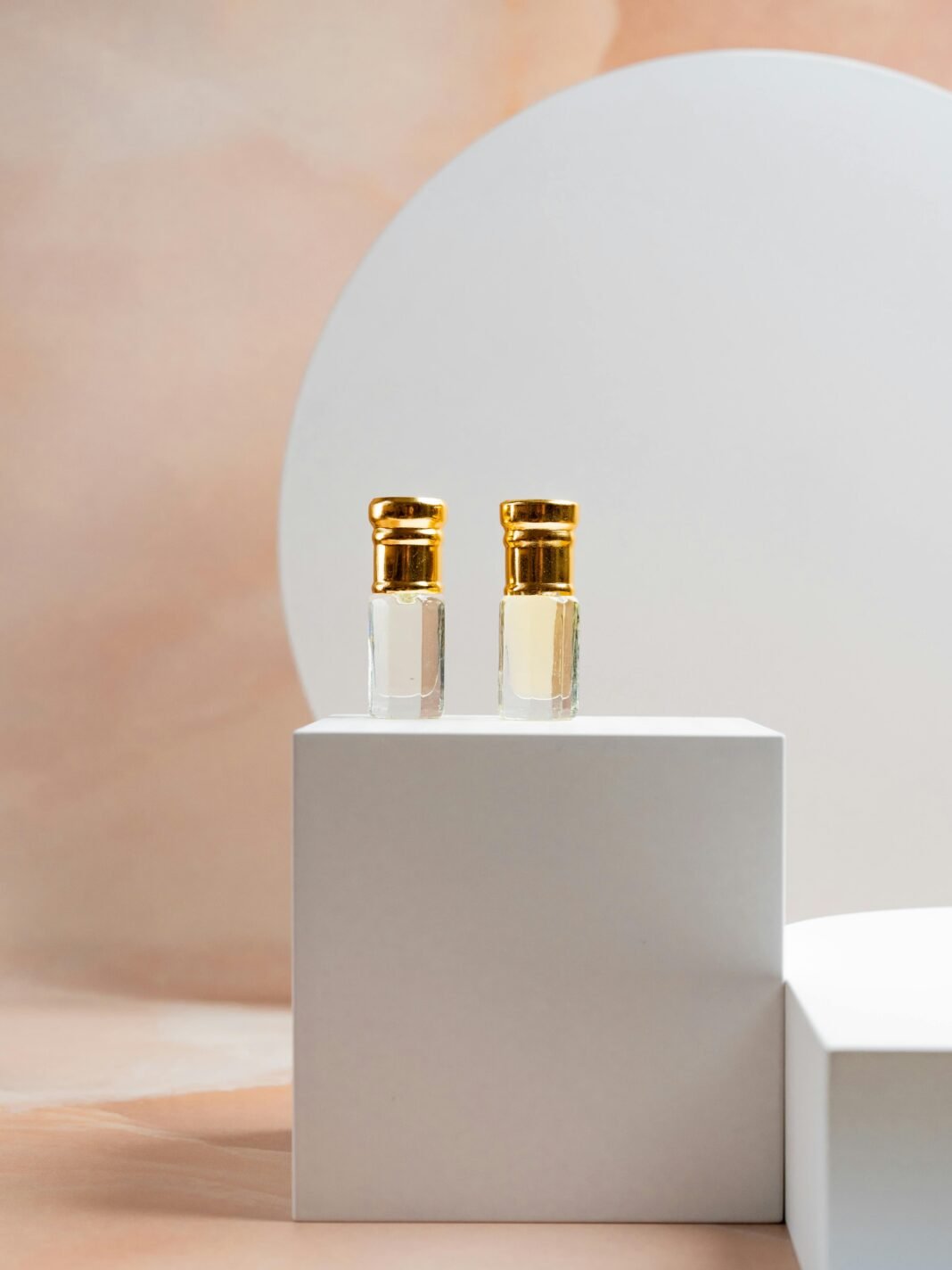
- Often come in rollerball or small vials
- Typically stable for 2-4 years with proper storage
Conclusion: Protect Your Fragrance Investment
Proper perfume storage isn’t complicated—it simply requires awareness and commitment to protecting your investment. By following these essential do’s and don’ts, you ensure your best perfumes for women, best perfumes for men, and precious niche perfumes maintain their integrity, beauty, and value.
The core principles remain straightforward: keep perfumes cool, dark, and sealed. Avoid heat, light, humidity, and oxygen exposure. Store upright in original packaging within stable environments. Use regularly rather than hoarding indefinitely.
Whether you own a modest collection of favorites or an extensive library of rare fragrances, these storage practices protect your olfactory treasures and ensure every spray delivers the beautiful experience you deserve.
As perfume trends continue evolving toward quality, sustainability, and conscious consumption, proper storage becomes even more valuable—preserving investments, reducing waste, and honoring the artistry behind every bottle.
Start implementing these storage strategies today, and enjoy your fragrances at their peak for years to come.
FAQ Section
Q1: How long do perfumes last if stored properly?
With proper storage (cool, dark, sealed environment), most perfumes last 3-5 years after opening before noticeable degradation. High-quality niche perfumes with stable synthetic bases can last 10+ years. Natural and organic perfumes have shorter lifespans of 1-3 years due to ingredient instability. Unopened perfumes stored optimally can last decades, though manufacturers typically recommend using within 3-5 years regardless. Factors affecting longevity include fragrance composition (natural vs. synthetic), concentration (Parfum lasts longer than Eau de Toilette), and storage conditions. The best approach is buying what you’ll use within a few years rather than hoarding bottles indefinitely.
Q2: Is it okay to store perfumes in the bathroom?
No, bathrooms are one of the worst places to store perfumes. The extreme humidity from showers and baths dilutes fragrances and promotes bacterial growth in natural ingredients. Temperature fluctuations from hot water damage molecular stability and accelerate degradation. Light from windows and bright vanity fixtures causes UV damage and oxidation. If bathroom storage is unavoidable, use a closed cabinet far from the shower, ensure good ventilation, and only store inexpensive daily-wear fragrances you’ll use quickly. Better alternatives include bedroom closets, dresser drawers, or hallway cabinets with stable temperatures and low humidity. Your perfumes will last significantly longer in proper locations.
Q3: Should I keep perfumes in their original boxes?
Yes, absolutely! Original packaging provides essential UV light protection, temperature buffering, physical protection against breakage, and maintains resale/collectible value. Manufacturers design boxes specifically to protect against light exposure, which is one of perfume’s worst enemies. Boxes also make organization easier in dark storage spaces and prevent accidental damage from knocking over bottles. The only downsides are space requirements and difficulty seeing bottles, but these are minor compared to preservation benefits. For valuable niche perfumes or collector bottles, original packaging is essential. Label box tops or sides for easy identification without removing bottles unnecessarily.
Q4: Can I store perfumes in the refrigerator?
Yes, but with important considerations. Use a dedicated mini-fridge specifically for fragrances—never your food refrigerator, as perfumes can absorb food odors and contaminate your collection. Set temperature to 55-65°F (not too cold). Refrigeration significantly extends shelf life and is ideal for very expensive bottles, natural perfumes, or vintage scents. However, it’s not necessary for daily-wear fragrances if you have proper cool, dark storage elsewhere. Always allow refrigerated bottles to reach room temperature before use to prevent condensation. Most perfume enthusiasts reserve refrigeration for their most valuable bottles while storing regular-use fragrances in bedroom closets or cabinets.
Q5: What are signs that my perfume has gone bad?
Key degradation signs include color changes (darkening, yellowing, or clouding in previously clear perfumes), scent alterations (vinegar-like sharpness, sour notes, musty undertones, or loss of top notes), consistency changes (separation, cloudiness, or sediment), significantly weaker projection or longevity, and skin irritation where none existed before. If you notice any of these, your perfume has degraded and should be discarded. Don’t continue using bad perfumes hoping they’ll improve—they won’t, and may cause skin reactions. Proper storage (cool, dark, sealed) prevents these issues. Natural perfumes show degradation signs sooner (1-3 years) than synthetic-heavy fragrances (5-10+ years).
Q6: Does perfume concentration (Eau de Parfum vs Eau de Toilette) affect storage needs?
Concentration doesn’t significantly change storage requirements—all perfumes need cool, dark, sealed environments. However, higher concentrations (Parfum/Extrait at 20-40%) typically last longer than lower concentrations (Eau de Toilette at 5-15%) because they contain more fragrance oils and less volatile alcohol. The alcohol in Eau de Toilette evaporates faster if improperly sealed, potentially altering scent balance more quickly. Parfum concentrations are more stable over time and less sensitive to minor storage imperfections. Regardless of concentration, follow the same storage principles: avoid heat, light, humidity, and oxygen exposure. The investment in proper storage pays off more with expensive high-concentration perfumes, but all fragrances benefit equally from correct conditions.
Q7: How should I store niche perfumes differently from designer fragrances?
Niche perfumes often warrant extra care due to higher value, natural ingredients, and collectibility. Always keep original packaging (essential for resale value), store in the coolest, darkest location available, minimize handling and exposure, consider dedicated refrigeration for very valuable bottles ($300+), track purchase dates carefully, and document provenance for rare or limited editions. Natural niche perfumes especially benefit from refrigeration due to shorter shelf lives (1-3 years). While designer fragrances can handle standard cool-dark storage (bedroom closets), premium niche bottles deserve museum-quality conditions. That said, the core principles remain the same for both: avoid heat, light, humidity, and oxygen. The difference is degree of care rather than fundamentally different requirements.