The Fragrance Industry’s Billion-Dollar Secret
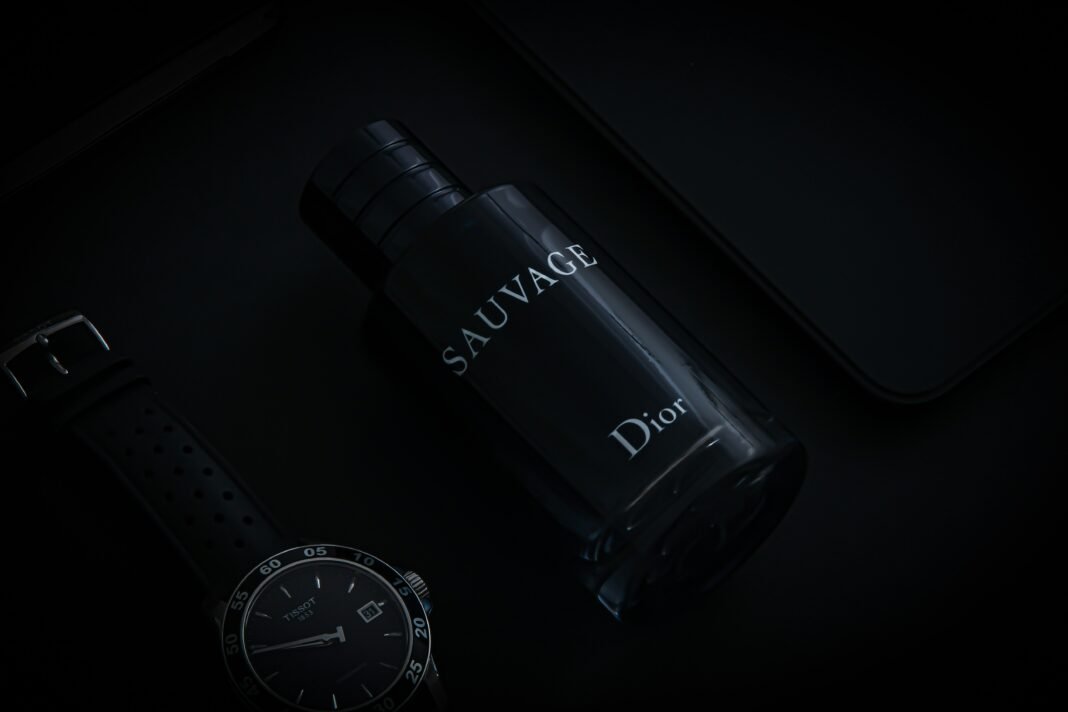
Walk into any high-end department store in New York, London, or Sydney today, and you’ll notice something remarkable. The perfume counters that once displayed only French florals and Italian citruses now prominently feature dark, mysterious bottles with names like “Oud Wood,” “Black Opium,” and “Ombre Nomade.”
This isn’t coincidence. It’s a cultural shift decades in the making.
Western perfume brands have discovered what Middle Eastern perfumers have known for centuries: oud is liquid gold. This ancient ingredient, once exclusive to Arabian perfumery, has become the most sought-after note in modern luxury fragrances. The global oud market is projected to reach $1.2 billion by 2028, and Western brands are fighting for their share.
But this story goes deeper than market trends. It’s about cultural exchange, globalization, and the redefinition of luxury itself.
What Is Oud? Understanding the “Liquid Gold” of Perfumery
Before we explore its Western takeover, let’s understand what makes oud so special.
The Origins of Oud
Oud, also called agarwood or aloeswood, comes from the Aquilaria tree found across Southeast Asia and the Middle East. Here’s where it gets fascinating: healthy Aquilaria trees produce ordinary, scentless wood. But when infected with a specific mold (Phialophora parasitica), the tree produces a dark, fragrant resin as a defense mechanism.
This resin-saturated wood is oud.
Why Oud Commands Sky-High Prices
Only about 2% of Aquilaria trees naturally produce oud. Harvesting requires decades of growth, and the extraction process is labor-intensive. High-quality oud oil can cost $30,000 to $80,000 per kilogram—making it more expensive than gold by weight.
The scent itself is impossible to replicate synthetically with the same depth. Natural oud offers layers that unfold over hours: woody, smoky, sweet, animalic, and slightly medicinal notes that create an almost hypnotic experience.
Middle Eastern Perfume Culture: Where Oud Began
A 3,000-Year Tradition
Oud has been central to Arabian culture since ancient times. It’s mentioned in religious texts, burned as incense in homes, and worn as a symbol of prestige and spirituality. In the Gulf states, wearing oud is as natural as wearing cologne in the West.
Traditional Middle Eastern perfumery operates differently from Western brands. There’s no marketing campaign or celebrity endorsement. Instead, master perfumers (attars) craft bespoke blends in souks, passing knowledge through generations.
The Ritual of Fragrance
In Middle Eastern culture, fragrance isn’t just personal grooming—it’s hospitality, identity, and devotion. Guests are greeted with incense. Special occasions demand specific scents. Layering multiple fragrances is common practice, creating unique olfactory signatures.
This deep cultural connection to scent created a sophisticated consumer base that Western brands initially misunderstood, then rushed to court.
The Western Discovery: How Oud Crossed Borders
The Turning Point
The modern oud revolution in Western perfumery began in the early 2000s, but the seeds were planted earlier through:
- Increased global travel exposing Westerners to Middle Eastern markets
- Growing Middle Eastern wealth creating demand for luxury Western brands
- Immigration and diaspora communities bringing oud appreciation to Western cities
- Social media sharing previously regional fragrance experiences globally
Tom Ford’s Bold Move
In 2007, Tom Ford launched “Oud Wood” as part of his Private Blend collection. This was revolutionary. A major American designer made oud the star, not a supporting note. The fragrance softened oud’s intensity with vanilla and sandalwood, making it accessible to Western noses unfamiliar with traditional Arabian ouds.
The gamble paid off spectacularly. Oud Wood became one of Ford’s bestselling fragrances worldwide, proving Western consumers were ready for this exotic ingredient.
The Oud Explosion: Western Brands Rush In
Following Tom Ford’s success, the floodgates opened.
Major Brands Embracing Oud
By the 2010s, nearly every luxury house had launched oud fragrances:
Dior released “Oud Ispahan” (2012), blending oud with rose in a sophisticated Middle Eastern-French fusion. Yves Saint Laurent created “M7 Oud Absolu” (2011), positioning oud as masculine and mysterious. Giorgio Armani introduced “Armani Privé Oud Royal” (2010), presenting oud as regal opulence.
Even mainstream brands joined in. Lancôme, Gucci, Burberry, and Versace all launched oud-centric lines, making the ingredient accessible at various price points.
The Numbers Tell the Story
Between 2015 and 2023, oud fragrance launches increased by 400% according to fragrance industry data. Department stores created dedicated “oud sections.” Beauty influencers made oud a hashtag phenomenon. The ingredient went from exotic curiosity to mainstream must-have.
Why Western Consumers Fell in Love with Oud
The Appeal of Authenticity
Modern consumers crave authentic, meaningful products with stories behind them. Oud offers a 3,000-year narrative of craftsmanship, rarity, and cultural significance. It’s the opposite of mass-produced synthetic fragrances.
Gender-Fluid Fragrance
Traditional Western perfumery enforced strict gender boundaries: florals for women, woods for men. Oud defies these categories. Its complex, unisex nature appeals to younger consumers rejecting gendered marketing.
Status and Exclusivity
The high price point of oud fragrances signals luxury and discernment. Wearing oud suggests you’re knowledgeable about perfumery, well-traveled, and appreciate quality. It’s become a status symbol in fashion-conscious circles.
Longevity and Projection
Western eau de toilettes often fade within hours. Oud-based fragrances, especially when crafted with oil concentrations, can last 8-12 hours with impressive projection. Consumers discovered they needed less perfume that lasted longer—better value despite higher costs.
How Western Brands Adapted Oud for New Markets
Western perfumers faced a challenge: traditional Arabian ouds are intense. Pure oud can overwhelm noses unaccustomed to its animalic, medicinal qualities.
The Softening Strategy
Western brands developed “oud-inspired” fragrances rather than authentic reproductions:
They blended oud with familiar notes like vanilla, rose, saffron, and amber to create bridges between Eastern and Western preferences. They used synthetic oud molecules (like Oud Synthetic by Firmenich) to control intensity and ensure consistency. They reduced concentration levels compared to traditional Middle Eastern attars and oils.
The result? Accessible oud that introduced millions to the ingredient without overwhelming them.
The Luxury Positioning
Where Middle Eastern brands positioned oud as traditional and spiritual, Western brands framed it as exotic luxury and sensuality. Marketing emphasized:
- Rare sourcing and craftsmanship
- Celebrity endorsements and fashion partnerships
- Sleek, modern packaging versus traditional ornate bottles
- Aspirational lifestyle imagery
This repositioning transformed oud from cultural heritage to global luxury commodity.
The UAE Connection: Bridging East and West
The United Arab Emirates, particularly Dubai, became the crucial link in oud’s global journey.
Dubai as Fragrance Capital
Dubai’s unique position as a global crossroads made it the perfect incubator for oud’s Western expansion. The city hosts:
- Traditional Arabian perfume houses like Ajmal, Rasasi, and Al Haramain preserving heritage
- Western luxury boutiques at Dubai Mall and Mall of the Emirates
- International perfume events attracting global brands and perfumers
- A multicultural consumer base bridging Eastern and Western preferences
The “Dubai Oud” Phenomenon
A distinct style emerged: “Dubai oud”—richer than Western interpretations but more wearable than traditional Saudi or Omani ouds. These fragrances often combine:
- Oud with sweet notes like honey, dates, and caramel
- Floral elements like rose, jasmine, and orange blossom
- Modern synthetics for consistency and projection
- Oil and spray formats catering to different application preferences
This hybrid style influenced how Western brands formulated their oud offerings, creating a globally appealing middle ground.
Authentic vs. Synthetic: The Oud Debate
As oud became mainstream, a controversy emerged.
The Sustainability Crisis
Wild Aquilaria trees are endangered due to overharvesting. Several species are listed on CITES (Convention on International Trade in Endangered Species). Demand from both Eastern and Western markets threatened the ingredient’s future.
The Synthetic Solution
Fragrance houses developed synthetic oud alternatives:
- Oud Synthetic™ by Firmenich
- Black Agar™ by Givaudan
- OroPur™ by IFF
These molecules capture oud’s woody, smoky character without using natural resources. They’re consistent, affordable, and sustainable.
The Authenticity Question
Purists argue synthetics lack the complexity and soul of natural oud. They can’t replicate the subtle variations and evolving character of genuine agarwood. However, synthetics make oud-inspired fragrances accessible and environmentally responsible.
Most Western brands use blends of natural and synthetic oud, balancing authenticity, sustainability, and cost. Only ultra-luxury lines like Tom Ford Private Blend and niche houses guarantee predominantly natural oud.
The Reverse Influence: Middle Eastern Brands Going West
The cultural exchange isn’t one-directional.
Arabian Perfume Houses Expanding Globally
Traditional Middle Eastern brands now target Western markets:
Ajmal opened boutiques across Europe and North America, adapting marketing while maintaining heritage formulations. Rasasi partnered with Western retailers, introducing Arabian perfumery to new audiences. Swiss Arabian created hybrid lines specifically for international markets.
Niche Middle Eastern Brands
A new generation of luxury Arabian perfume houses emerged, appealing to both Eastern and Western consumers:
- Amouage (Oman) positioned itself as the “Hermès of perfumery,” using oud in sophisticated, artistic compositions
- Xerjoff (Italy/Dubai) creates ultra-luxury oud fragrances blending Italian craftsmanship with Arabian materials
- Memo Paris incorporates oud into travel-inspired fragrances, romanticizing its origins
These brands prove oud’s appeal transcends cultural boundaries when presented with quality and artistry.
Oud in Western Celebrity and Niche Fragrances
Celebrity Endorsements
Celebrities accelerated oud’s mainstream acceptance:
Kim Kardashian launched “KKW Oud” (2018), bringing oud to her massive fanbase. Rihanna’s Fenty Beauty incorporated oud-inspired notes in body products. Jay-Z’s “Gold” fragrance featured oud prominently, connecting it to hip-hop luxury culture.
These endorsements removed oud’s intimidation factor, making it approachable for younger, diverse audiences.
The Niche Perfume Revolution
Independent perfumers embraced oud creatively:
Byredo’s “Oud Immortel” presented oud as meditative and spiritual rather than opulent. Le Labo’s “Oud 27” softened it with cedar and musk for everyday wearability. Maison Francis Kurkdjian’s “Oud Satin Mood” created a violet-oud combination that felt modern and unexpected.
These artistic interpretations showed oud’s versatility beyond traditional boundaries.
The Future of Oud in Western Perfumery
What’s Next for This Trend?
Oud isn’t fading—it’s evolving and deepening.
Sustainable Sourcing Initiatives
Brands are investing in oud tree plantations and ethical harvesting. Companies like Givaudan partner with Southeast Asian farmers to cultivate Aquilaria trees, ensuring future supply while supporting local communities.
Biotechnology Innovation
Scientists are developing lab-grown oud using fermentation and cellular agriculture. This could provide authentic oud chemistry without environmental impact, similar to lab-grown diamonds.
Regional Variations
Western consumers are becoming more educated about oud subtypes:
- Cambodian oud: Sweet, resinous, honey-like
- Indian oud: Animalic, intense, medicinal
- Malaysian oud: Woody, clean, subtle
- Vietnamese oud: Complex, fruity, leathery
Luxury brands will likely offer single-origin oud collections, similar to single-malt whiskeys or single-origin coffee.
Hybrid Cultural Expressions
The next wave will likely feature true East-West collaborations—Arabian perfumers working with Western brands, creating fragrances that honor both traditions while forging new directions.
How to Experience the Oud Trend
For Oud Newcomers
If you’re curious about oud but unfamiliar, start with these Western-friendly options:
- Tom Ford Oud Wood: The gateway oud—smooth, creamy, wearable
- Dior Oud Ispahan: Rose-oud combination that’s elegant and balanced
- Jo Malone Oud & Bergamot: Fresh citrus opening makes oud approachable
- Kilian Sacred Wood: Incense and oud create a spiritual, not overpowering experience
For Intermediate Oud Lovers
Ready for more intensity? Try:
- Yves Saint Laurent M7 Oud Absolu: Masculine, confident, long-lasting
- Giorgio Armani Privé Oud Royal: Opulent and regal
- Montale Black Aoud: Powerful projection, true to Arabian style
- Byredo Oud Immortel: Artistic, meditative, unique
For Oud Connoisseurs
If you want authentic Middle Eastern experiences:
- Visit Arabian perfume houses: Ajmal, Rasasi, Abdul Samad Al Qurashi
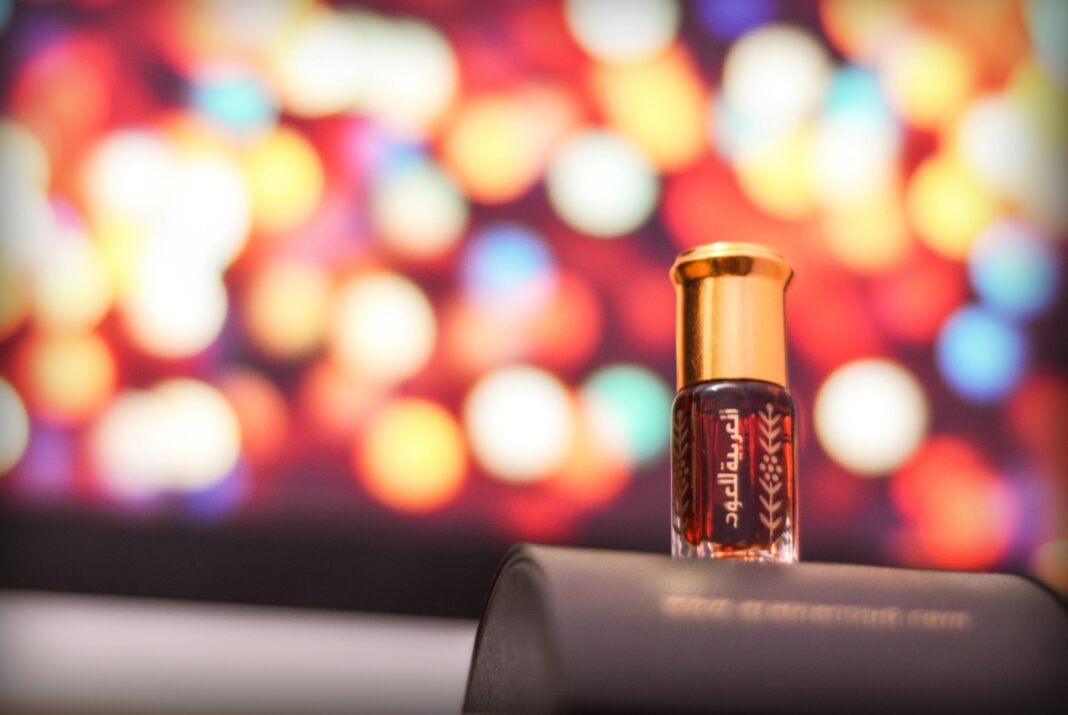
- Explore pure oud oils (attars) for traditional application
- Try bakhoor (oud wood chips) burned as incense
- Investigate niche brands like Amouage, Xerjoff Oud Stars collection, or Roja Parfums
Regional Shopping Guide
USA: Department stores like Nordstrom, Neiman Marcus, and Saks Fifth Avenue carry extensive oud collections. Specialty boutiques in cities with large Middle Eastern populations (Dearborn, Los Angeles) offer authentic Arabian perfumes.
UK: Harrods and Selfridges feature both Western and Middle Eastern oud fragrances. London’s Edgware Road has authentic Arabian perfume shops.
Canada: Hudson’s Bay and Holt Renfrew stock major oud brands. Toronto and Montreal have Middle Eastern specialty stores.
Australia: Myer and David Jones carry Western oud fragrances. Sydney and Melbourne have growing Arabian perfume boutiques.
UAE: The ultimate destination—Dubai Mall, Mall of the Emirates, and traditional souks offer everything from affordable to ultra-luxury oud. Visit Dubai Perfume Souk in Deira for authentic experiences.
The Cultural Conversation: Appreciation vs. Appropriation
As oud gained Western popularity, important questions emerged about cultural respect and appropriation.
The Concerns
Some critics argue Western brands:
- Profit from Middle Eastern heritage without proper acknowledgment
- Dilute and commercialize a sacred cultural practice
- Market oud exotically in ways that stereotype Middle Eastern culture
- Price out Middle Eastern consumers from their own traditional ingredients
The Counterarguments
Others view the trend as:
- Cultural appreciation and exchange that benefits everyone
- Economic opportunities for oud-producing regions
- Global recognition of Middle Eastern perfume artistry
- Cross-cultural dialogue that breaks down stereotypes
The Balanced Perspective
The healthiest approach involves:
- Acknowledging oud’s origins and cultural significance
- Supporting authentic Middle Eastern brands alongside Western ones
- Educating consumers about traditional uses and meanings
- Ensuring fair trade practices that benefit source communities
- Respecting the ingredient rather than just marketing its exoticism
This conversation reflects larger questions about globalization, cultural exchange, and respect in our interconnected world.
Frequently Asked Questions About Oud
1. Why is oud so expensive compared to other perfume ingredients?
Oud’s extraordinary cost comes from extreme rarity and labor-intensive production. Only 2% of Aquilaria trees naturally produce the fungus-infected resin that becomes oud, and these trees require decades of growth before harvesting. The extraction process is complex, yielding only small amounts of oil from each tree.
High-quality natural oud can cost $30,000-$80,000 per kilogram—genuinely more valuable than gold. When you buy an oud fragrance, you’re paying for this rarity, the harvesting expertise, and often the endangered status of wild trees. Western brands using synthetic oud offer more affordable alternatives while protecting endangered Aquilaria forests.
2. Do Western oud fragrances smell the same as traditional Middle Eastern ouds?
No, they’re quite different. Traditional Middle Eastern ouds are significantly more intense, animalic, and medicinal—often overwhelming to Western noses unaccustomed to the scent. They’re typically pure oud oil (attar) or heavy concentrations blended with roses, saffron, and amber.
Western interpretations soften oud considerably by blending it with vanilla, sandalwood, florals, or using synthetic oud molecules that capture woody-smoky notes without the intensity. Western versions are designed for everyday wearability rather than special occasions. If you love a Western oud fragrance, visiting a traditional Arabian perfume house will be a completely different (and much stronger) experience.
3. Is oud suitable for both men and women?
Absolutely. Oud is one of the most genuinely unisex fragrances in perfumery. In Middle Eastern culture, oud has never been gendered—both men and women wear it freely. Western marketing sometimes positions oud as masculine because of its woody, powerful character, but this is a marketing choice, not an inherent quality.
Many popular oud fragrances like Tom Ford Oud Wood, Dior Oud Ispahan, and Byredo Oud Immortel are worn by all genders. The beauty of oud is how it interacts with your unique body chemistry, creating a personal scent regardless of gender. If you love how it smells on you, wear it confidently.
4. How can I tell if an oud fragrance contains real oud or synthetic alternatives?
This is tricky because most brands don’t fully disclose their formulations. However, here are clues: Price is the biggest indicator—fragrances under $150 almost certainly use synthetic oud or minimal natural content, as real oud is prohibitively expensive. Ingredient lists sometimes specify “oud accord” or “oud synthetic” (synthetic) versus “agarwood oil” or “oud essential oil” (potentially natural).
Niche and ultra-luxury brands like Tom Ford Private Blend, Amouage, or Roja Parfums are more likely to use higher percentages of natural oud. The scent itself offers clues: natural oud has incredible complexity with animalic, medicinal, and evolving notes, while synthetics can smell more straightforward and woody. For guaranteed natural oud, buy directly from traditional Middle Eastern perfume houses or seek brands with transparent sourcing practices.
Final Thoughts: A Fragrance Revolution That’s Here to Stay
The oud revolution represents more than a passing trend in perfumery—it’s a fundamental shift in how Western consumers understand and appreciate fragrance.
What began as Middle Eastern cultural heritage has become a global phenomenon, bridging continents, traditions, and generations. Western brands didn’t just adopt an ingredient; they opened dialogue with thousands of years of perfume artistry.
Today, you can smell oud in Manhattan penthouses and Dubai souks, London fashion shows and Sydney beaches. It’s worn by celebrities and perfume purists, fashion students and corporate executives. Oud has democratized luxury while maintaining its mystique—no small feat in our oversaturated market.
For Western perfumery, oud challenged the dominance of French and Italian fragrance traditions, proving that luxury and sophistication exist everywhere. For Middle Eastern perfumers, it brought global recognition and new markets for their ancient craft.
The future promises even more innovation: sustainable cultivation, biotechnology breakthroughs, and deeper cultural collaborations. As consumers become more educated, they’ll seek authentic experiences while demanding ethical sourcing.
Whether you’re a fragrance connoisseur or curious beginner, exploring oud offers a journey across cultures, history, and artistry. It’s a reminder that the best things often come from unexpected places—and that true luxury lies in rarity, craftsmanship, and story.
The oud revolution isn’t taking over Western brands. It’s enriching them, challenging them, and ultimately transforming what we consider essential in fine perfumery.
Welcome to the new age of fragrance. It smells like wood, smoke, history, and possibility.