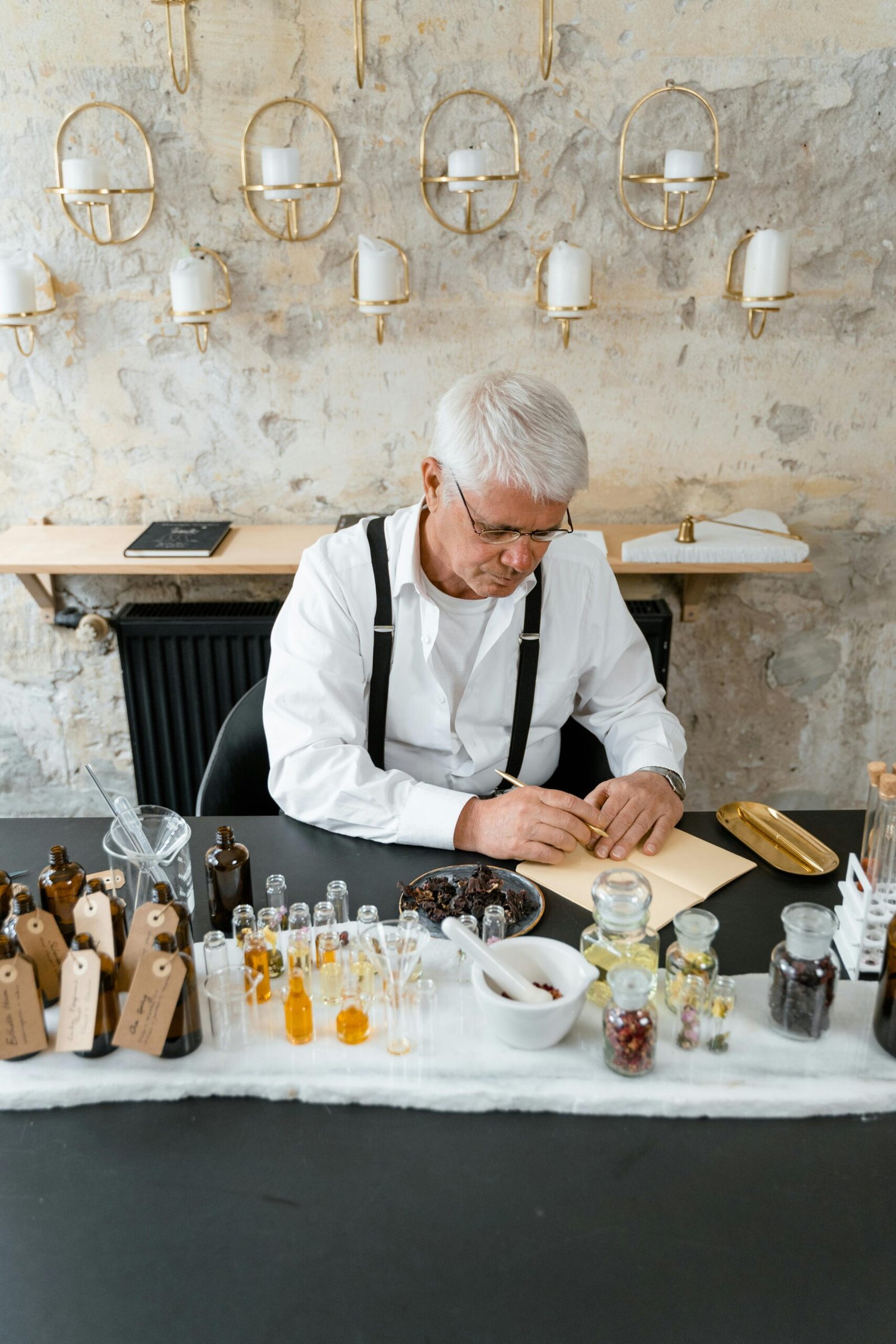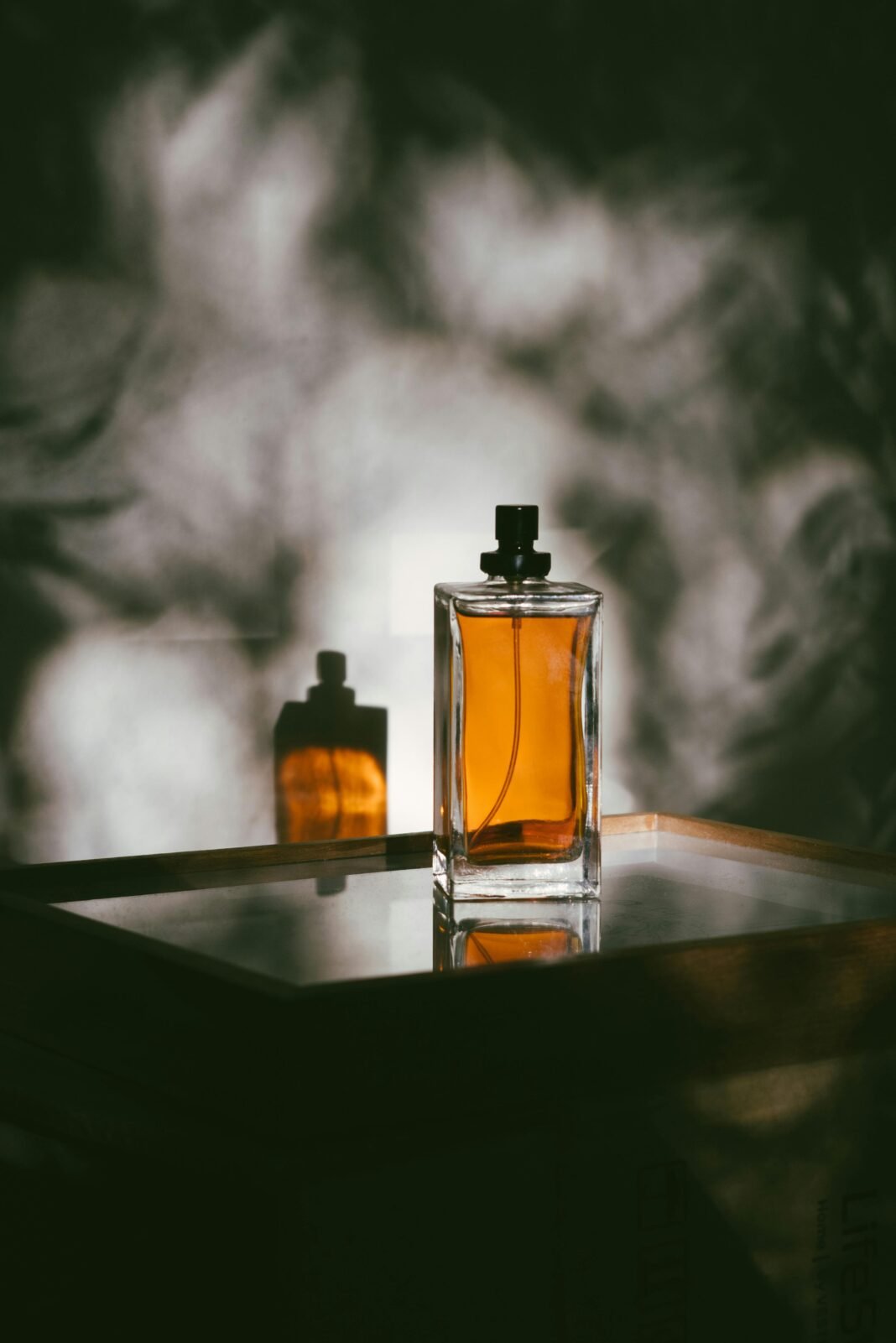
The art of perfume layering has revolutionized how we approach fragrance, transforming it from a simple spritz into a personalized olfactory experience ,as perfume trends continue to evolve toward individuality and self-expression, creating your signature scent through layering has become more accessible and exciting than ever before.
Whether you’re exploring niche perfumes or working with classic designer fragrances, perfume layering allows you to craft a scent that’s uniquely yours—one that can’t be found in any bottle on the market.
What is Perfume Layering?
Perfume layering is the technique of combining two or more fragrances to create a custom scent profile that reflects your personality and style. This practice, also known as fragrance layering or scent combining, involves strategically applying different perfumes, scented body products, or essential oils to achieve a harmonious and unique olfactory composition.
The beauty of layering lies in its flexibility. You can adjust your scent based on the season, occasion, or even your mood, making it one of the most versatile fragrance techniques available today.
Why Layering is Essential in 2026
Among the top perfume trends 2026, personalization stands at the forefront. Modern fragrance enthusiasts are moving away from wearing signature scents straight from the bottle, instead preferring to create custom fragrances that tell their individual stories. This shift reflects a broader cultural movement toward authenticity and self-expression in personal style.
Understanding Fragrance Families and Notes
Before diving into layering techniques, it’s essential to understand the basic structure of perfumes and how different fragrance families interact with one another.
The Three Levels of Fragrance Notes
Top Notes are the initial scents you smell immediately after application. These typically last 15-30 minutes and include citrus, light fruits, and herbs.
Middle Notes (or heart notes) emerge as top notes fade, usually lasting 2-4 hours. These include florals, spices, and green notes that form the core character of a fragrance.
Base Notes are the foundation of any perfume, lingering for 4-6 hours or longer. Common base notes include woods, musks, vanilla, and amber.
Common Fragrance Families
Understanding fragrance categories helps you make informed layering decisions:
- Floral: Rose, jasmine, lily, peony
- Oriental: Vanilla, amber, spices, resins
- Woody: Sandalwood, cedarwood, vetiver, patchouli
- Fresh: Citrus, aquatic, green notes
- Gourmand: Sweet, edible notes like caramel, chocolate, coffee
The Golden Rules of Perfume Layering
Start with Similar Intensity Levels
When combining fragrances, match the intensity of your scents. Pairing a light, delicate perfume with an overpowering one will result in the stronger fragrance dominating completely. For balanced layering, combine scents with similar projection and longevity.
Layer from Lightest to Heaviest
Apply your lightest fragrance first, allowing it to settle before adding heavier scents. This typically means starting with fresh or citrus notes, moving to florals, and finishing with woody or oriental bases.
Choose Complementary Notes
The most successful layering combinations feature complementary fragrance notes rather than competing ones. For example, vanilla pairs beautifully with almost any floral, while citrus notes enhance fresh aquatic scents.
Less is More
When layering, apply sparingly. Two sprays of each fragrance is often sufficient. Over-application can create an overwhelming, muddled scent that’s unpleasant rather than unique.
Step-by-Step Guide to Creating Your Signature Scent
Step 1: Build Your Foundation
Start with scented body products in your base layer. A complementary body lotion or oil creates a moisturized canvas that helps perfumes last longer while adding subtle depth to your final scent.
Pro tip: Unscented or lightly scented moisturizers work best if you want your perfumes to be the star, while scented lotions in vanilla, coconut, or shea butter can add warmth to your base.
Step 2: Choose Your Primary Fragrance
Select one perfume as your primary scent—this will be the dominant fragrance in your layered composition. Choose a scent you love that reflects your core style, whether that’s a best perfume for women like a romantic floral or a best perfume for men such as a woody aromatic.
Apply this to your pulse points: wrists, neck, behind ears, and inner elbows.
Step 3: Add Your Secondary Scent
Your secondary fragrance should enhance or contrast your primary scent in an interesting way. Apply this more sparingly—perhaps just to your wrists or décolletage.
Popular combinations for include:
- Floral + Vanilla: Romantic and comforting
- Citrus + Woody: Fresh yet grounded
- Rose + Oud: Luxurious and bold (trending in niche perfumes)
- Lavender + Musk: Clean and sensual
Step 4: Experiment with a Third Layer (Optional)
For advanced layering, consider adding a third element. This could be a single-note perfume (like pure sandalwood or bergamot), a fragrance oil, or even a scented hair mist.
Step 5: Test and Adjust
Fragrance development takes time. Wait at least 30 minutes to assess your layered creation as it settles and evolves on your skin. Take notes on successful combinations to recreate them later.
Best Fragrance Combinations for Different Occasions
Daytime and Office-Appropriate Layers
For professional settings, opt for subtle layering with fresh, clean notes:
- Citrus + White Musk: Crisp and inoffensive
- Green Tea + Light Floral: Energizing yet elegant
- Bergamot + Soft Amber: Sophisticated and approachable
Evening and Special Occasions
Create bold, memorable scents for nighttime:
- Rose + Dark Chocolate: Seductive gourmand blend
- Jasmine + Vanilla + Sandalwood: Warm and intoxicating
- Tobacco + Honey + Leather: Rich and distinctive (popular in best perfumes for men)
Seasonal Layering Recommendations
Spring: Layer light florals with citrus for fresh, optimistic scents. Think peony with grapefruit or cherry blossom with mandarin.
Summer: Combine aquatic notes with tropical fruits or white florals. Coconut with sea salt or tiare flower with bergamot work beautifully.
Fall: Embrace warm spices and woods. Try cinnamon with vanilla, or fig with cedarwood for cozy autumn vibes.
Winter: Go for rich, enveloping combinations like amber with patchouli, or frankincense with tonka bean.
Perfume Layering Tips for Beginners
Start with Products from the Same Line
Many fragrance brands offer complementary products—body wash, lotion, and perfume—designed to be layered together. This is an excellent starting point for beginners as the scents are guaranteed to work harmoniously.
Invest in Single-Note Perfumes
Single-note fragrances or essential oil rollers give you maximum flexibility in creating custom combinations. Popular options include pure vanilla, rose, sandalwood, and vetiver.
Keep a Fragrance Journal
Document your layering experiments with notes on combinations, ratios, and how long they lasted. This helps you refine your technique and remember winning formulas.
Don’t Mix Too Many Families at Once
While creativity is encouraged, limit yourself to 2-3 fragrance families in one layering session to avoid creating a chaotic, unidentifiable scent.
Exploring Niche Perfumes for Unique Layering
Niche perfumes have gained tremendous popularity in perfume trends 2026 due to their unique compositions and high-quality ingredients. These artisanal fragrances often make exceptional layering components because they:
- Feature distinctive single notes that stand out when combined
- Contain higher concentrations of fragrance oils for better longevity
- Offer unconventional scent profiles you won’t find in mainstream perfumes
When layering with niche fragrances, you’re creating truly one-of-a-kind combinations that few others will wear.
Recommended Niche Houses for Layering
Brands like Le Labo, Byredo, Diptyque, and Maison Francis Kurkdjian offer excellent layering options with their minimalist yet sophisticated scent profiles.
Common Mistakes to Avoid When Layering Perfumes
Overcomplicating Your Combinations
Simplicity often works best. Rather than combining four or five fragrances, start with just two and perfect that pairing before adding complexity.
Ignoring Skin Chemistry
Your natural body chemistry affects how perfumes smell and develop. What works for someone else may not work for you, so always test combinations on your own skin.
Applying Too Much Product
Heavy-handed application is the fastest way to ruin a potentially beautiful layered scent. Remember: you can always add more, but you can’t take it away.
Mixing Competing Strong Notes
Avoid pairing two dominant fragrance notes that clash, such as heavy oud with intense tuberose, unless you’re an experienced layerer seeking an avant-garde result.
The Science Behind Successful Layering
Understanding the chemistry of fragrance helps explain why certain combinations work while others don’t. Perfume molecules interact with your skin’s pH, oils, and temperature, creating unique scent profiles for each individual.
When layering, you’re essentially creating a new molecular composition. Lighter molecules (like citrus) evaporate quickly, while heavier molecules (like musks and woods) cling to your skin longer. Strategic layering balances these evaporation rates for a scent that evolves beautifully throughout the day.
Building Your Layering Collection
Essential Fragrances for a Versatile Wardrobe
To create diverse layered scents, consider building a collection that includes:
- One fresh citrus (versatile and uplifting)
- One white floral (feminine and elegant)
- One woody scent (grounding and sophisticated)
- One vanilla or gourmand (warm and comforting)
- One green or aquatic (clean and modern)
- One oriental or spicy (bold and exotic)
This foundation allows you to create countless combinations suitable for any season or occasion.
Budget-Friendly Layering Options
You don’t need expensive niche perfumes to create beautiful layered scents. Many affordable fragrance brands offer excellent layering candidates. Look for simple, well-executed scents at drugstores and online retailers.
Essential oils and fragrance oils also provide cost-effective layering options, especially for popular single notes like lavender, rose, and sandalwood.
Advanced Layering Techniques
The Sandwich Method
Apply your base perfume, wait 5-10 minutes, then spritz a middle layer, followed by another application of your base perfume. This sandwiching technique creates depth and ensures all layers remain perceptible throughout wear.
Strategic Placement
Apply different fragrances to different body parts. For example, a woody scent on your neck and a floral on your wrists creates an intriguing scent trail that changes as people move closer to you.
Atmospheric Layering
Spray one fragrance on your skin and another on your clothing or hair. Since fabrics and hair hold scent differently than skin, this creates a multi-dimensional fragrance experience.
How Perfume Trends Influence Layering
This year’s fragrance trends emphasize:
Sustainability: Eco-conscious layering using natural essential oils and clean beauty fragrances
Wellness-Inspired Scents: Combining aromatherapeutic notes like eucalyptus, lavender, and chamomile
Gender-Neutral Fragrances: Mixing traditionally masculine and feminine notes to create fluid, inclusive scents
Nostalgic Notes: Layering vintage-inspired scents with modern twists
Transparency: Using fragrances with disclosed ingredient lists for conscious layering choices
These trends open exciting possibilities for personalized fragrance experiences that align with contemporary values.
Creating Signature Scents for Different Personalities
The Romantic
Layer soft florals with warm vanillas: rose + tonka bean, or peony + cashmere musk for sweet, dreamy combinations.
The Adventurer
Combine fresh notes with unexpected spices: bergamot + black pepper, or sea salt + cardamom for energizing, bold scents.
The Minimalist
Stick to clean, uncomplicated pairings: white musk + cotton flower, or green tea + bamboo for subtle sophistication.
The Trendsetter
Experiment with unconventional combinations popular in niche fragrances: leather + iris, or saffron + ambergris for avant-garde results.
Conclusion: Your Scent, Your Story
Perfume layering transforms fragrance from a commodity into an art form, allowing you to express your uniqueness in ways that single perfumes cannot. As we navigate perfume trends, the emphasis on personalization, quality ingredients, and conscious choices makes layering more relevant than ever.
Whether you’re drawn to best perfumes for women with romantic floral profiles, best perfumes for men featuring bold woody notes, or niche perfumes with unconventional compositions, layering gives you infinite creative possibilities.
Start with simple two-scent combinations, pay attention to how fragrances develop on your skin, and don’t be afraid to experiment. Your signature scent is waiting to be discovered—not in a bottle, but in the unique combination you create yourself.
Remember, the best perfume is the one that makes you feel confident, beautiful, and authentically yourself. Happy layering!
FAQ Section
Q1: Can you layer any two perfumes together, or are there rules?
While there are no strict rules, some combinations work better than others. The best approach is to layer perfumes with complementary notes from similar or harmonious fragrance families. Avoid pairing too many heavy, competing notes (like intense oud with powerful tuberose) unless you’re experienced. Start with simple combinations like floral + vanilla or citrus + musk, then experiment as you become more comfortable with layering.
Q2: How many perfumes should I layer at once?
For beginners, start with just two fragrances to create a balanced, wearable scent. As you gain experience, you can experiment with three layers, though this requires more skill to avoid creating a muddled result. Most perfume enthusiasts find that 2-3 fragrances provide the ideal balance between complexity and wearability. Remember, the goal is enhancement, not overwhelming abundance.
Q3: Will layering perfumes make them last longer?
Yes, layering can significantly improve fragrance longevity. Starting with scented body lotion or oil creates a moisturized base that helps perfumes adhere better to your skin. Additionally, combining fragrances with different evaporation rates (light top notes with heavy base notes) ensures your scent evolves and lasts throughout the day rather than disappearing quickly. Strategic layering can extend wear time by several hours.
Q4: What’s the difference between layering designer perfumes and niche perfumes?
Designer perfumes are often formulated as complete, balanced compositions meant to be worn alone, though they can still be layered. Niche perfumes frequently feature more distinctive, concentrated single notes that make excellent layering components. Niche fragrances often contain higher-quality ingredients and unique scent profiles, giving you more creative freedom. However, both categories work beautifully for layering—the key is choosing scents with compatible notes regardless of brand.
Q5: Should men and women layer perfumes differently?
Absolutely not! Perfume layering is completely gender-neutral. The best perfumes for men and best perfumes for women are simply marketing categories—fragrance itself has no gender. Feel free to layer traditionally “masculine” woody or spicy scents with “feminine” florals if the combination appeals to you. gender-fluid fragrances are trending, making layering the perfect way to create personalized scents beyond traditional categories.
Q6: What are the best seasons for different layering combinations?
Spring works beautifully with light florals layered with citrus (peony + grapefruit). Summer calls for aquatic notes with tropical fruits or white florals (coconut + sea salt). Fall welcomes warm spices and woods (cinnamon + vanilla, fig + cedarwood). Winter embraces rich, enveloping combinations (amber + patchouli, frankincense + tonka bean). However, wear what makes you happy regardless of season—these are guidelines, not rules.
Q7: How do I know if my layered perfume combination is working?
A successful layered scent should smell harmonious rather than chaotic or overwhelming. You should be able to identify individual notes while appreciating how they blend together. Test your combination on your skin and wait at least 30 minutes to experience how it develops through the top, middle, and base note stages. If you feel confident and comfortable wearing it, and if others give you compliments, you’ve created a winning combination. Keep a fragrance journal to remember your best creations.