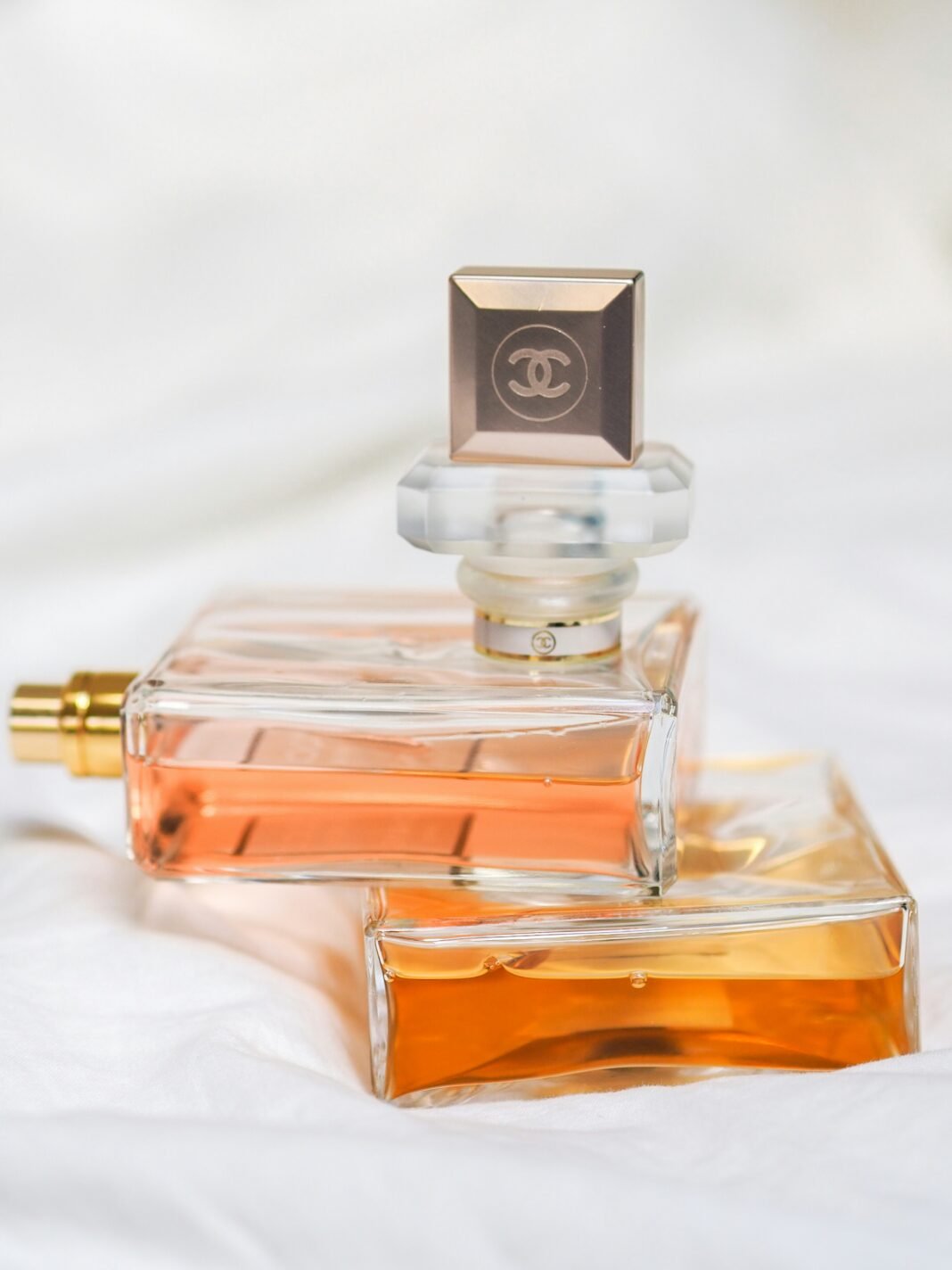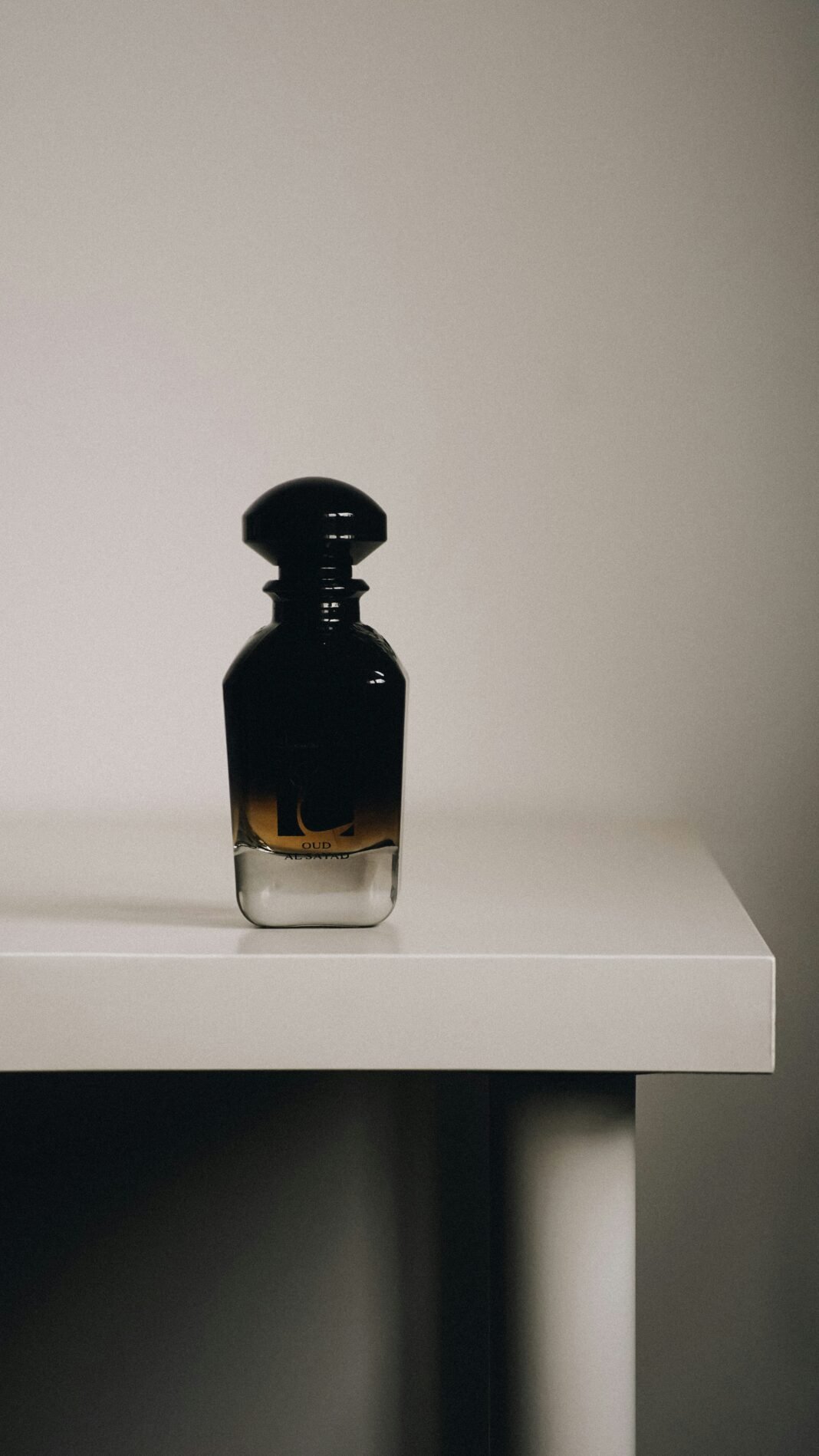
You spend serious money on a bottle of perfume — whether it’s a sought-after niche perfume, a crowd-pleasing designer fragrance, or one of the best perfumes for women you’ve been eyeing for months. You spritz it, love it, and leave it on your bathroom shelf. Six months later, it smells nothing like it did in the store.
What went wrong?
The answer almost always comes down to how and where you store your perfume. Fragrance is far more delicate than most people realise. The wrong environment doesn’t just weaken a scent — it fundamentally changes the chemistry of the liquid inside the bottle. The good news is that with a few simple habits, you can protect your collection and ensure every bottle lasts as long as possible.
This guide covers everything you need to know about perfume storage — the do’s, the don’ts, and the science behind why it matters.
Why Perfume Storage Matters More Than You Think
Perfume is a complex mixture of aromatic compounds, natural ingredients, alcohol, and fixatives. These ingredients are chemically reactive, meaning they respond to their environment. Heat, light, air, and humidity are the four enemies of any fragrance — and most people’s storage habits expose their perfumes to all four simultaneously.
The impact on perfume trends and purchasing habits is real: fragrance lovers increasingly report buying expensive bottles only to find them degraded within a year. Understanding proper storage is not just about protecting your investment — it’s about enjoying your perfume the way it was intended to smell.
The Do’s of Perfume Storage
DO Store Perfume in a Cool, Stable Environment
Temperature consistency is everything. Perfume molecules are sensitive to fluctuations in heat. When a bottle warms up and cools down repeatedly, the fragrance compounds expand and contract, accelerating oxidation and breaking down the scent profile.
The ideal storage temperature for perfume is between 15°C and 20°C (59°F to 68°F). A bedroom drawer, a dedicated wardrobe shelf, or a purpose-built fragrance cabinet are all excellent options. If you live in a hot climate, storing perfume in a temperature-controlled room — or even a cool corner of your refrigerator in a sealed bag — can make a significant difference.
This applies equally to the best perfumes for men and women. Whether you’re preserving a bold oud-heavy masculine fragrance or a delicate floral feminine scent, stable temperature is non-negotiable.
DO Keep Perfume Away from Light
Ultraviolet light is one of the fastest ways to degrade a perfume. UV rays break down the aromatic molecules responsible for a fragrance’s character, flattening the scent and sometimes causing discolouration. This is precisely why many niche perfumes come packaged in dark, opaque bottles or heavy boxes — the packaging itself is a protective measure.
Practical storage tips for light protection:
- Keep bottles inside their original boxes when not in regular use
- Store in a closed drawer or cabinet rather than on an open display shelf
- Never place perfume on a windowsill or vanity table that receives direct sunlight
- If you display your bottles for aesthetic reasons, ensure the display area receives no direct sun
DO Keep the Cap On Tightly
Every second a perfume bottle is open, oxidation is occurring. Oxygen interacts with fragrance compounds and gradually degrades them. The top notes — the fresh, bright opening of a scent — are the most volatile and the first to suffer.
Make it a habit to replace the cap or stopper immediately after each use. For splash bottles without spray mechanisms, this is especially critical since pouring exposes more surface area to air. If you own a splash bottle of a beloved fragrance, consider transferring a portion into a small spray atomiser for daily use, keeping the main bottle sealed.
DO Store Perfume Upright
Storing bottles on their side might look stylish on a shelf, but it can cause problems over time. When a bottle lies on its side, the liquid is in constant contact with the rubber or plastic of the stopper or spray mechanism. This contact can cause degradation of the seal and even transfer unwanted chemical compounds into the fragrance.
Always store perfume bottles upright, with the spray nozzle or stopper pointing up. This simple habit can meaningfully extend the shelf life of any fragrance, including precious vintage or limited-edition bottles.
DO Use Decants for Daily Wear
If you rotate between several fragrances or carry perfume in your bag regularly, fragrance decants are one of the smartest tools a perfume lover can use. A decant is simply a small, refillable spray bottle — typically 5ml to 10ml — that you fill from your main bottle.
Benefits of decanting include:
- The main bottle is opened far less frequently, reducing oxidation
- You can carry fragrance safely without risking your full bottle
- It’s easier to experiment with perfume trends without committing to full bottles
Quality glass atomisers are widely available and relatively inexpensive. For anyone serious about their fragrance collection, decanting is a game-changing habit.
DO Keep Track of Your Collection
Fragrance organisation is an underrated storage habit. Knowing what you own, when you opened it, and how much is left helps you prioritise which bottles to use first. Older, opened bottles should be used before newer ones. Lighter, citrus-forward fragrances — popular in summer perfume trends — should be used faster, as they are the most volatile and least stable over time.
A simple notebook, spreadsheet, or even a dedicated fragrance app can help you manage your collection intelligently.
The Don’ts of Perfume Storage
DON’T Store Perfume in Your Bathroom
This is the single most common and damaging perfume storage mistake. The bathroom is the worst possible place to keep your fragrance. It combines every element that destroys perfume: heat from showers, humidity from steam, light from overhead fixtures, and temperature fluctuations every time the room is used.
Move your perfume out of the bathroom immediately. The bedroom, a hallway cabinet, or a cool bedroom drawer are all far superior alternatives. Even the most affordable fragrance will last significantly longer when removed from a bathroom environment.
DON’T Leave Perfume on a Dresser in Direct Light
The open dresser display is another extremely common storage mistake, particularly for those who enjoy showing off a beautiful collection. Aesthetics aside, perfume bottles sitting in natural light or under strong artificial lighting are being degraded with every passing hour.
If displaying your collection is important to you, invest in a closed display cabinet with UV-protective glass. Several perfume-specific storage cabinets are available that combine aesthetics with proper protection.
DON’T Store Perfume in Extreme Cold
While refrigeration in moderation can be beneficial, the freezer and extreme cold are harmful. Very low temperatures can alter the solubility of fragrance compounds, causing separation, cloudiness, or permanent changes to the scent profile. Some natural ingredients — particularly certain musks and resins — behave unpredictably when frozen.
If you refrigerate perfume, use the least cold section, keep bottles sealed in a bag, and always allow them to reach room temperature before use.
DON’T Buy More Than You Can Use
One of the most overlooked aspects of fragrance storage is simply buying at an appropriate volume. Purchasing multiple large bottles of the same fragrance, or hoarding unopened bottles for years without rotating through them, increases the risk of degradation before you ever enjoy the scent.
This is especially relevant to niche perfumes, which often use a higher proportion of natural ingredients that are more volatile than synthetic alternatives. If you love a fragrance, buy one bottle at a time and replace it when needed rather than stockpiling.
DON’T Shake the Bottle
You might think shaking your perfume bottle will mix the ingredients or improve the scent throw — it won’t. Shaking introduces air bubbles into the liquid, accelerating oxidation. It can also damage delicate fragrance molecules unnecessarily.
Handle your bottles gently, spray or dab normally, and never shake.
DON’T Use Dirty or Wet Hands Near Open Bottles
This applies particularly to splash-top bottles. Introducing moisture, skin oils, or bacteria directly into the fragrance can contaminate it over time. Always ensure your hands are clean and dry if you’re handling an open splash bottle, and avoid dabbing directly from the bottle onto broken or irritated skin.
Seasonal and Occasion-Based Storage Tips
Perfume storage also connects to how you choose and rotate your fragrances by season:
- Spring and Summer: Citrus, aquatic, and green fragrances are popular seasonal choices. These are highly volatile — use them generously during their season rather than saving them. Store backups in the coolest part of your home.
- Autumn and Winter: Woody, oriental, spiced, and gourmand fragrances are warm-weather staples. Their dense base notes are chemically stable and store exceptionally well over multiple years.
- Year-round wear: If you rotate between a signature scent and seasonal options, always keep your most-used bottle in the most accessible, best-stored location.
Choosing the best perfumes for women or the best perfumes for men for a specific occasion also factors into storage logic — save your most precious bottles for special occasions and protect them accordingly.
Summary: Perfume Storage at a Glance
| DO | DON’T |
|---|---|
| Store in cool, stable temperatures | Store in the bathroom |
| Keep away from direct light | Leave on a sunlit dresser |
| Always replace the cap immediately | Shake the bottle |
| Store bottles upright | Store on their sides |
| Use decants for daily wear | Freeze the bottle |
| Track your collection | Buy more than you can rotate |
Final Thoughts
Proper perfume storage is the simplest, most effective way to protect your fragrance investment. Whether you own a single signature scent or a carefully curated collection of niche perfumes, the habits you build around storage will determine how long and how beautifully your fragrances last.
The rules are not complicated: keep it cool, keep it dark, keep it sealed, and keep it upright. Break those four rules and even the most exceptional fragrance will deteriorate faster than it should. Follow them, and a well-made perfume can remain true and beautiful for many years.
Your nose — and your collection — deserve that care.
Frequently Asked Questions (FAQ)
Q1: What is the best place to store perfume at home? A: The best place to store perfume is a cool, dark, and dry location such as a bedroom drawer, a wardrobe shelf, or a dedicated fragrance cabinet. Avoid bathrooms, windowsills, and any area near heat sources. Consistent, moderate temperature (15°C–20°C) is the most important factor in preserving perfume quality long-term.
Q2: Can I store perfume in the fridge? A: Yes, with caution. The fridge can slow oxidation and is particularly useful for citrus and light fragrances. Use the least cold section, seal the bottle in a zip-lock bag to protect it from food odours, and always let it return to room temperature before spraying. Never use the freezer, as extreme cold can permanently alter a fragrance’s composition.
Q3: How long does an unopened perfume last in storage? A: An unopened perfume stored correctly can last anywhere from 5 to 10 years, and sometimes longer. Darker, oriental, and resinous fragrances tend to have the longest shelf lives. Citrus and fresh compositions are more volatile and should ideally be used within 3–5 years of purchase even if unopened.
Q4: Why do niche perfumes require extra storage care? A: Many niche perfumes use a higher percentage of natural ingredients, which can be more volatile and reactive than synthetic alternatives. This means they may degrade faster without proper care. On the flip side, niche formulas often use denser base notes like oud, amber, and vetiver, which are highly stable — so storage habits matter even more with premium bottles.
Q5: Does perfume expire? A: Perfume does not have a strict expiry date, but it does degrade over time, especially once opened. Most fragrances are at their best within 3–5 years of opening. Signs of degradation include a change in colour, a sour or sharp smell, or a flat, one-dimensional scent. Proper storage significantly extends this window.
Q6: Should I keep perfume in its original box? A: Absolutely. The original box provides an additional layer of UV and light protection, which is one of the most important factors in fragrance preservation. If you’re storing a bottle you use less frequently, keeping it in its box in a drawer or cabinet is one of the best things you can do for its longevity.
Q7: What are the best perfumes for men and women that last longest in storage? A: For longevity in storage, look for Extrait de Parfum or Parfum concentrations, as these have a higher ratio of fragrance to alcohol and oxidise more slowly. Among fragrance families, oriental, woody, and leather-based perfumes — popular in both best perfumes for men and women categories — age particularly well. Fresh, citrus, and aquatic compositions have the shortest shelf lives and should be used within 1–2 years of opening.