How to Store Perfumes to Maintain Their Scent: The Complete Guide
Meta Description: Learn how to store perfumes correctly to preserve their scent, longevity, and quality. Expert do’s and don’ts every fragrance lover needs to know .
Introduction
You finally found it. The perfect perfume — the one that makes you feel confident, elegant, and completely yourself the moment you spray it. Maybe it was a hard-to-find niche perfume that took weeks of research. Maybe it was one of the best perfumes for women you’d been saving up for. Or perhaps it was a classic men’s fragrance you’ve worn for years.
And then one day, you pick it up, spray it on, and something is just… off. The top notes smell flat. The beautiful dry-down you fell in love with has faded into something sharp and stale. The magic is gone.
What happened?
The answer, almost certainly, is improper storage.
Most perfume lovers invest serious time and money into finding the right fragrance — but very few think carefully about how they store it. And that’s a mistake that quietly ruins some of the most beautiful, expensive, and treasured bottles in the world every single day.
This guide covers everything you need to know about how to store perfumes correctly — the do’s, the don’ts, the common myths, and the practical tips that will keep your fragrances smelling exactly as they should for years to come.
Why Proper Perfume Storage Matters More Than You Think
Before we get into the specifics, it helps to understand why perfume degrades in the first place.
Fragrance is essentially a carefully balanced chemical composition — a blend of aromatic molecules, alcohol, water, and fixatives that interact with each other in precise ways. When exposed to the wrong conditions, those molecules begin to break down. The top notes — usually the lightest and most volatile parts of a fragrance — go first. Then the heart notes begin to warp. Eventually, what you’re left with smells nothing like what the perfumer intended.
The three primary enemies of fragrance preservation are:
Heat — Warmth accelerates the chemical breakdown of fragrance molecules, causing oxidation and spoilage.
Light — UV rays and even indirect sunlight degrade the aromatic compounds in perfume, often dramatically changing the scent profile over time.
Air — Oxygen exposure through a poorly sealed or frequently opened bottle triggers oxidation, the same process that turns cooking oil rancid.
Understanding these three threats is the foundation of everything else in this guide.
The Do’s of Perfume Storage
Store Perfumes in a Cool, Stable Environment
Temperature consistency is everything when it comes to preserving fragrance. Fluctuating temperatures — warm in the day, cold at night — cause the liquid inside the bottle to expand and contract repeatedly, which accelerates deterioration and can even force fragrance out through the seal over time.
The ideal storage temperature for most perfumes is between 15°C and 20°C (59°F–68°F) — cool, stable, and away from any heat source. A bedroom drawer, a closet shelf, or a dedicated fragrance cabinet all work beautifully. Some serious collectors even store their most valuable or delicate bottles in a dedicated wine cooler or cool room.
The key word is stable. A room that stays at 22°C consistently is better than one that swings between 16°C and 28°C throughout the day.
Keep Perfumes Away From Light
Darkness is your fragrance’s best friend. Light — particularly direct sunlight and UV light — is one of the fastest ways to destroy the delicate aromatic compounds in a perfume. Even indirect light exposure over months and years can cause significant scent degradation.
This is why many high-end perfume houses package their fragrances in coloured, frosted, or opaque bottles — the packaging itself is part of the preservation system. But not all bottles offer this protection, and even those that do benefit from being stored out of the light when not in use.
Practical solutions include keeping fragrances in their original boxes, storing them inside a drawer or wardrobe, or using a dedicated opaque fragrance cabinet. If you love displaying your collection on a shelf, consider placing it away from windows and using soft, indirect, low-UV lighting.
Keep the Cap On When Not in Use
This sounds obvious, but it’s one of the most frequently ignored rules of perfume care. Every time you leave a bottle uncapped — even for a few minutes — you’re exposing the fragrance to oxygen and allowing the lightest, most volatile aromatic molecules to evaporate into the air.
Always replace the cap immediately after use. For bottles with spray nozzles (atomisers), the mechanism itself creates a reasonably good seal, but the cap adds an essential extra layer of protection. For splash bottles (non-spray), this is even more important, as the opening is wider and evaporation happens more rapidly.
Store in Original Packaging When Possible
The box your perfume came in isn’t just pretty packaging — it’s functional protection. It shields the bottle from light, buffers temperature fluctuations, and prevents physical damage. If you still have the original box for your fragrances, use it. Store the bottle inside the box and the box somewhere cool and dark.
For niche perfumes and collector bottles, this is particularly valuable — the original packaging also preserves resale value if you ever choose to sell or gift the fragrance.
Keep an Inventory of Your Collection
If you own more than a few fragrances, maintaining a simple fragrance inventory helps you rotate your collection wisely and use older bottles before newer ones. Most fragrances, properly stored, have a shelf life of three to five years after opening — and many will last considerably longer.
Knowing what you have, when you opened it, and approximately how much is left helps you avoid the sad discovery of a beloved fragrance that has quietly turned while sitting at the back of a shelf.
The Don’ts of Perfume Storage
Don’t Store Perfumes in the Bathroom
This is the single most common perfume storage mistake — and it’s one that’s almost universal. The bathroom seems like the natural home for fragrances. They’re part of your grooming routine, they’re near the mirror, they’re conveniently placed.
But the bathroom is, in fragrance terms, a hostile environment. Every shower or bath turns the room into a warm, humid, steam-filled space that is actively damaging to your perfumes. The combination of heat, humidity, and fluctuating temperature accelerates degradation faster than almost anything else.
Move your perfumes out of the bathroom immediately if they’re currently living there. You will notice the difference in longevity and scent quality.
Don’t Leave Bottles in Direct Sunlight
A beautiful perfume bottle catching golden afternoon light on a windowsill is one of the most photogenic things in the world — and one of the fastest ways to ruin what’s inside it.
Direct sunlight degrades fragrance rapidly. Even a few weeks of daily sun exposure can noticeably alter the scent profile of a fine fragrance, flattening the top notes and warping the overall composition. The UV rays break down the aromatic molecules in ways that simply cannot be reversed.
Enjoy the aesthetics of your collection on display, but keep bottles away from windows and natural light sources.
Don’t Shake Your Perfume Bottles
Many people shake their perfume bottles before use, perhaps thinking it mixes the formula or enhances the scent. It doesn’t — and it actively harms the fragrance.
Shaking introduces air bubbles into the liquid, increasing oxidation and accelerating the very process you’re trying to avoid. Fine fragrances don’t need to be mixed before use. The formula is stable as it is. Simply spray or dab and enjoy.
Don’t Store Perfumes in the Refrigerator (Unless They’re Natural)
There’s a popular piece of advice online suggesting you should keep your perfumes in the fridge to extend their life. For the vast majority of fragrances — particularly synthetic or blended fragrances — this is unnecessary and potentially counterproductive.
Standard fridge temperatures (around 2°C–5°C) are often colder than ideal for fragrance preservation and can cause certain components to crystallise or separate. The repeated opening and closing of the fridge also introduces humidity and temperature fluctuations.
The one exception is purely natural perfumes made without synthetic preservatives — these can genuinely benefit from refrigeration. But for most commercial, designer, and niche fragrances, a cool dark room or drawer is sufficient and preferable.
Don’t Transfer Perfume to Other Containers
Unless you’re using a purpose-made travel atomiser with a proper seal, avoid transferring perfume between containers. Every transfer exposes the fragrance to air and introduces the risk of contamination from residue in the new container.
Travel atomisers designed specifically for fragrance are fine — they’re built to minimise air exposure and prevent leaks. But repurposing generic spray bottles, perfume decant vessels of uncertain quality, or small glass jars is risky and generally unnecessary.
Don’t Buy More Than You Can Reasonably Use
This one is harder to hear, especially for enthusiastic collectors. Fragrance has a finite shelf life — even unopened bottles will eventually degrade, and opened ones more quickly. The beautiful bottle of niche perfume you bought but rarely wear is slowly changing on your shelf.
Be thoughtful about how much you buy relative to how much you actually wear. A smaller, well-curated collection of fragrances you genuinely love and use regularly will always serve you better than a large collection of bottles quietly turning stale.
How Long Does Perfume Actually Last?
This is one of the most frequently asked questions in the fragrance world, and the answer is nuanced.
Unopened perfumes, stored correctly, can last anywhere from five to ten years — sometimes longer for certain compositions. Oriental and woody fragrances with heavy base notes tend to last longer than light citrus or fresh aquatic scents, which are more volatile by nature.
Opened perfumes, again stored properly, typically maintain peak quality for three to five years. After that, degradation becomes more noticeable — though the fragrance may still be perfectly wearable for years beyond that point.
Signs that a perfume has turned include a sharp, vinegary, or sour smell replacing the original opening; noticeably thinner or darker liquid; and a significantly weaker projection than you remember.
Practical Storage Solutions for Every Budget
You don’t need to spend a fortune to store your fragrances well. Here are practical storage options at every level:
Budget-friendly: Store bottles in their original boxes inside a cool, dark drawer or wardrobe shelf. This costs nothing and works beautifully.
Mid-range: A dedicated wooden or lacquered fragrance box or tray kept inside a drawer or cabinet. These are widely available and add a pleasing organisation element to your collection.
Collector-level: A dedicated fragrance cabinet with doors, ideally placed in a cool room away from windows. For very large or high-value collections, a small wine cooler set to 15°C–18°C offers near-ideal storage conditions.
Whatever your budget, the principles remain the same: cool, dark, stable, and sealed.
Tips for Travelling With Perfume
Travel creates unique storage challenges. Here’s how to protect your fragrances on the go:
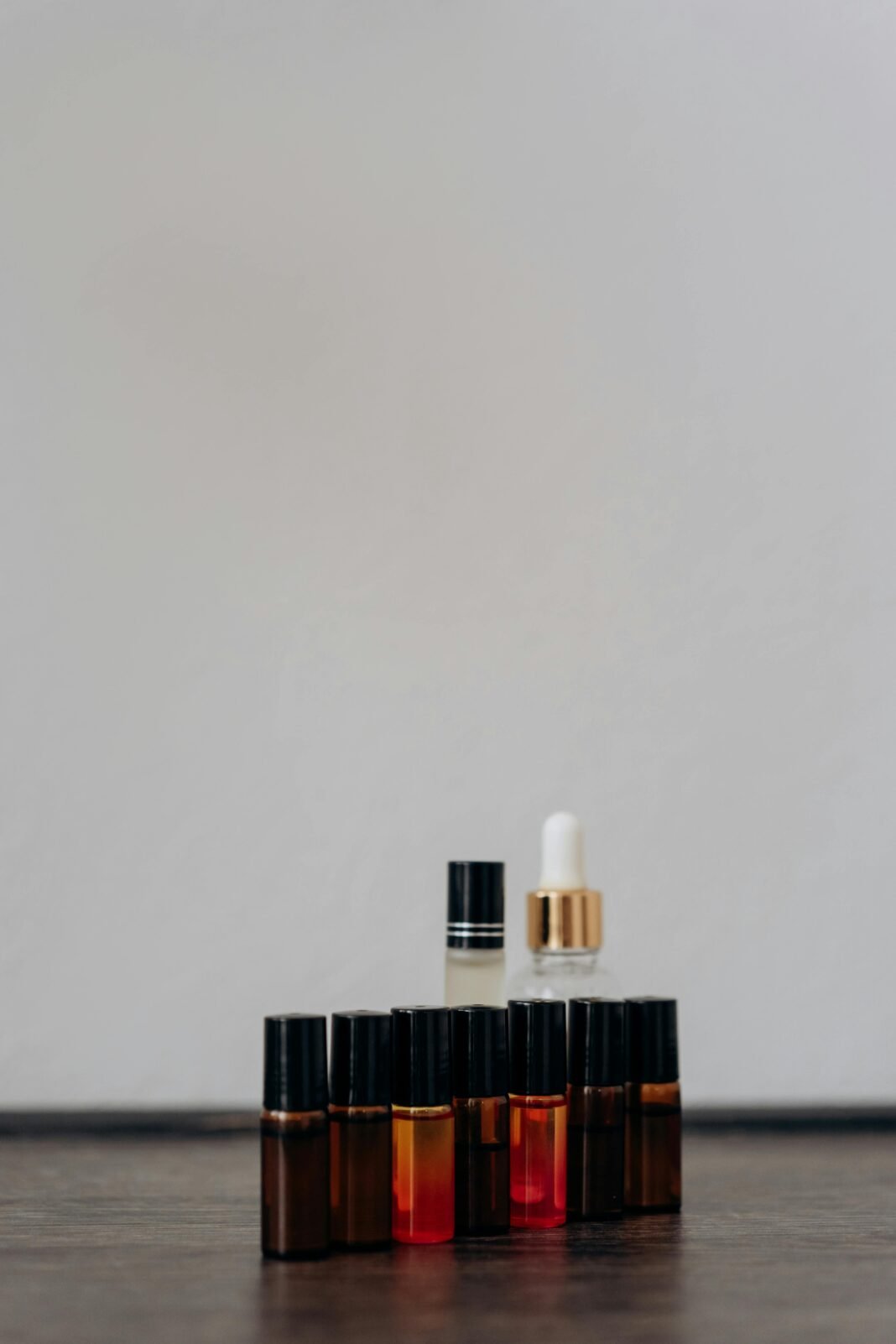
Use a proper travel atomiser — a small, sealed spray that you fill from your main bottle. This keeps your full bottle safely at home and protects it from the temperature and pressure changes of air travel.
Keep perfume in your carry-on, not checked luggage. The cargo hold of an aircraft experiences extreme temperature fluctuations that can damage fragrances. Cabin conditions are more stable.
Wrap bottles in clothing inside your bag to protect them from physical shock and accidental breakage.
Avoid leaving fragrance in a hot car — temperatures inside a parked car can exceed 60°C in summer, which is devastating for any fragrance.
Final Thoughts
Your perfumes deserve the same care and attention you give to finding them. Whether you’re protecting a treasured bottle of one of the best perfumes for women, preserving a classic men’s fragrance that’s been part of your routine for years, or safeguarding a rare niche perfume you hunted for months, proper storage is the difference between a fragrance that lasts and one that quietly fades away.
The rules are simple: cool, dark, stable, sealed. Keep perfumes away from the bathroom, away from the windowsill, and away from heat sources. Store them in their original boxes when possible. Replace the cap every time. And enjoy them — regularly, joyfully, and without guilt.
A fragrance sitting unworn in perfect storage is still losing its battle against time. The best thing you can do for your perfumes is wear them.
Frequently Asked Questions (FAQ)
Q1. What is the best place to store perfume at home? The best place to store perfume is in a cool, dark, stable environment — such as a bedroom drawer, a wardrobe shelf, or a dedicated fragrance cabinet. The key is avoiding heat, light, and humidity. Never store perfume in the bathroom or on a sunny windowsill.
Q2. Does keeping perfume in the fridge make it last longer? For most standard commercial and niche perfumes, refrigeration is unnecessary. A cool, dark drawer works just as well. Fridge temperatures can actually be too cold for some fragrance compositions. The exception is purely natural perfumes without synthetic stabilisers, which can benefit from cooler storage.
Q3. How long does an opened bottle of perfume last? An opened bottle of perfume stored correctly typically maintains its peak quality for three to five years. Signs of degradation include a sour or vinegary smell, noticeably darker liquid, and weaker projection than when the bottle was fresh.
Q4. Does sunlight really damage perfume? Yes — significantly and irreversibly. UV rays and direct sunlight break down the aromatic molecules in fragrance, altering the scent profile, flattening top notes, and eventually making the perfume smell nothing like its original composition. Always keep bottles away from windows and sunlight.
Q5. Should I shake my perfume bottle before using it? No. Shaking introduces air into the fragrance, which accelerates oxidation and speeds up degradation. Fine fragrances don’t require mixing before use — the formula is designed to be stable. Simply spray or dab and enjoy.
Q6. Can I store perfume in a travel bag or handbag for daily use? Occasionally carrying a bottle in your bag is fine, but long-term daily carry exposes the fragrance to heat, movement, and light. A purpose-made travel atomiser is a much better option — fill it from your main bottle and leave the original safely at home.
Q7. Do niche perfumes require different storage than designer fragrances? The core storage principles — cool, dark, stable, sealed — apply equally to all fragrances. However, niche perfumes made with higher concentrations of natural ingredients may be slightly more sensitive to temperature extremes and may have a shorter shelf life once opened. Extra care with storage is especially worthwhile given their typically higher price point.